EV Charging Infrastructure Costs That Matter in 2026
EV Charging Infrastructure Costs That Matter in 2026
In 2026, EV charging infrastructure costs will be judged less by sticker price and more by utilization, grid constraints, thermal performance, and long-term ROI.
For budget approval, the real question is simple. Which assets lower upgrade capex, improve throughput, and create better payback under real operating conditions?
That is why EV charging infrastructure now needs a broader financial lens. Hardware matters, but site power, software, uptime, and energy strategy matter more.
This shift is even clearer in high-power charging. A low purchase price can still become the most expensive option over five to ten years.
Why EV Charging Infrastructure Costs Look Different in 2026
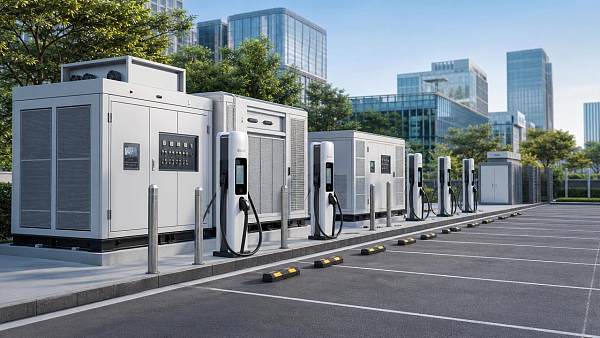
A few years ago, many projects focused on unit price. Today, EV charging infrastructure decisions start with grid access, utilization forecasts, and service economics.
More obvious signals are coming from urban power limits. In many locations, transformer upgrades are slower and more expensive than charger procurement itself.
This also means project scope has changed. Charging, storage, controls, and network operations are now tightly linked capital decisions.
In practical terms, the best EV charging infrastructure is not always the biggest system. It is the system that fits the site, load profile, and revenue model.
The four cost layers that actually move ROI
- Power access costs, including transformer, switchgear, trenching, and utility connection delays.
- Equipment performance costs, including charger efficiency, cooling design, and field reliability.
- Operational costs, including software, maintenance, roaming, billing, and remote diagnostics.
- Energy strategy value, including storage, solar, V2G, and off-peak charging arbitrage.
If one layer is missed, total EV charging infrastructure costs can rise sharply after commissioning. That is where many approvals go wrong.
Grid Capacity Is Now the First Cost Gate
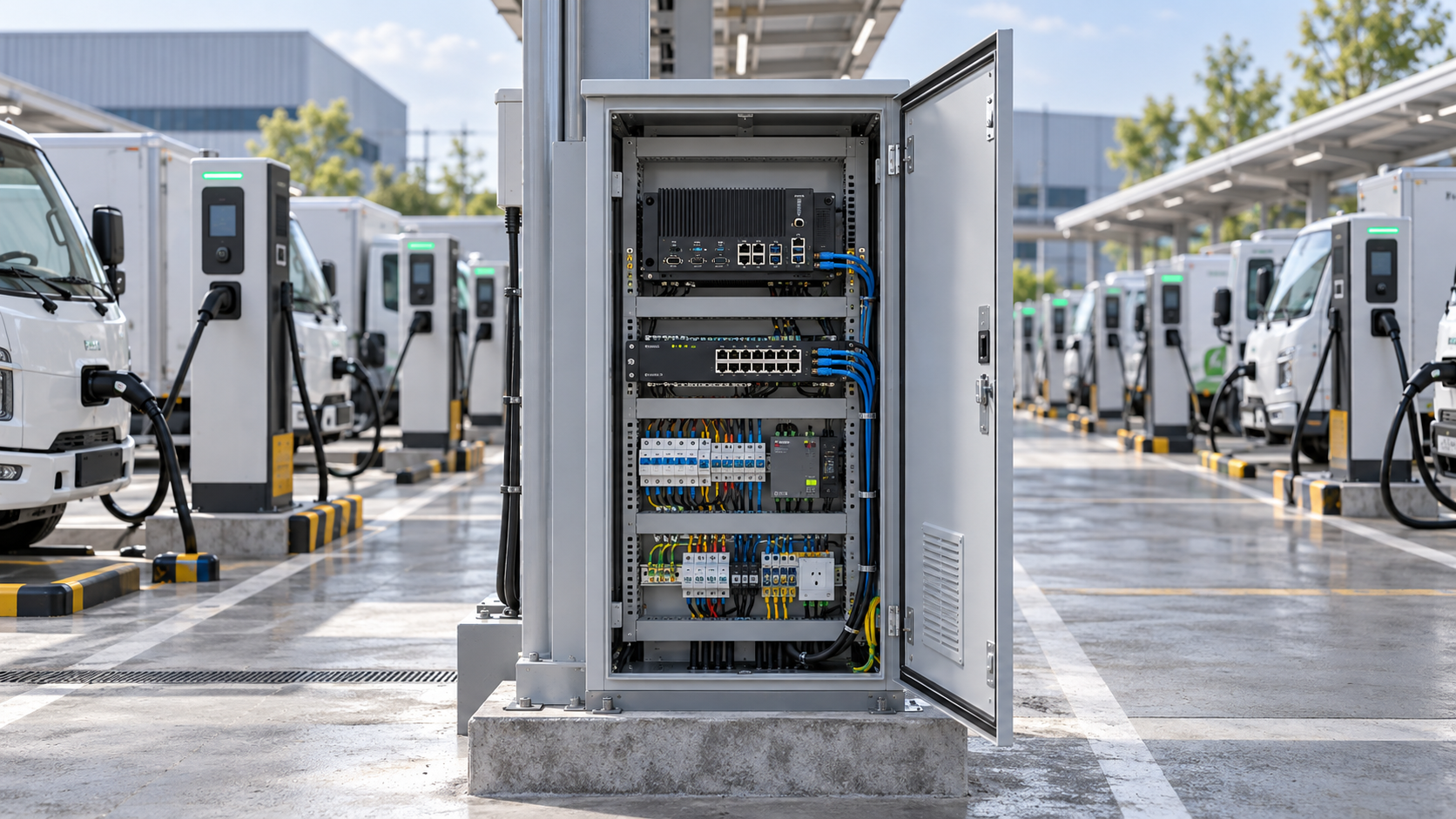
From a finance view, grid capacity is often the biggest hidden cost in EV charging infrastructure. It can reshape the entire business case before equipment arrives.
A site may support four fast chargers on paper. In reality, utility constraints may only allow half that load without expensive upgrades.
That is why feeder studies, transformer headroom, and interconnection lead times should be priced early. They are not back-office details anymore.
What to cost before approving the site
- Utility upgrade fees and service extension work.
- Transformer replacement or additional substation equipment.
- Civil works, conduits, trenching, and restoration.
- Demand charges under expected charging peaks.
- Revenue delay caused by permitting and utility timelines.
When these items are modeled first, EV charging infrastructure procurement becomes more disciplined. It also prevents underestimating capex by a wide margin.
Why Thermal Design and Power Electronics Affect Lifetime Cost
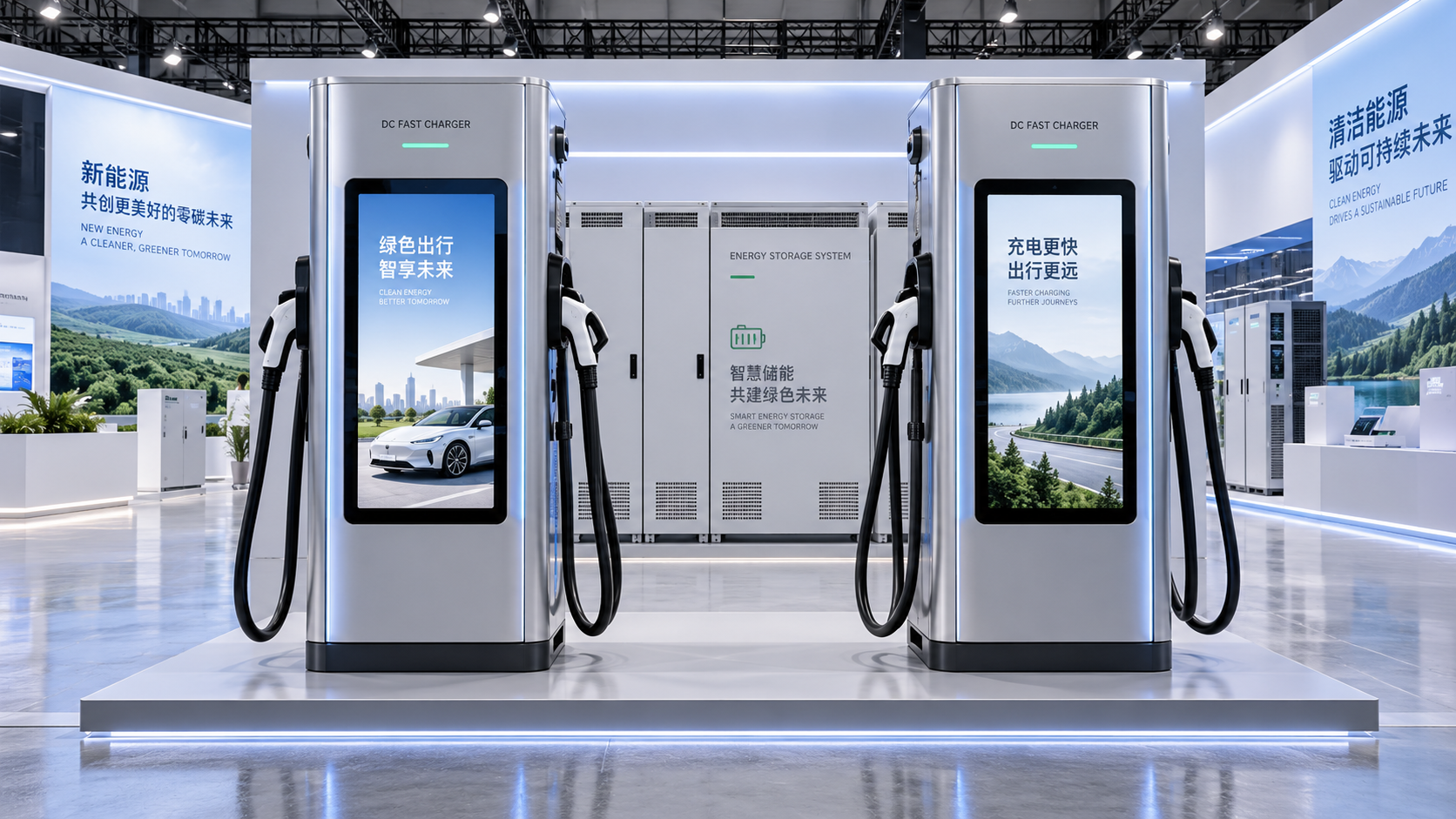
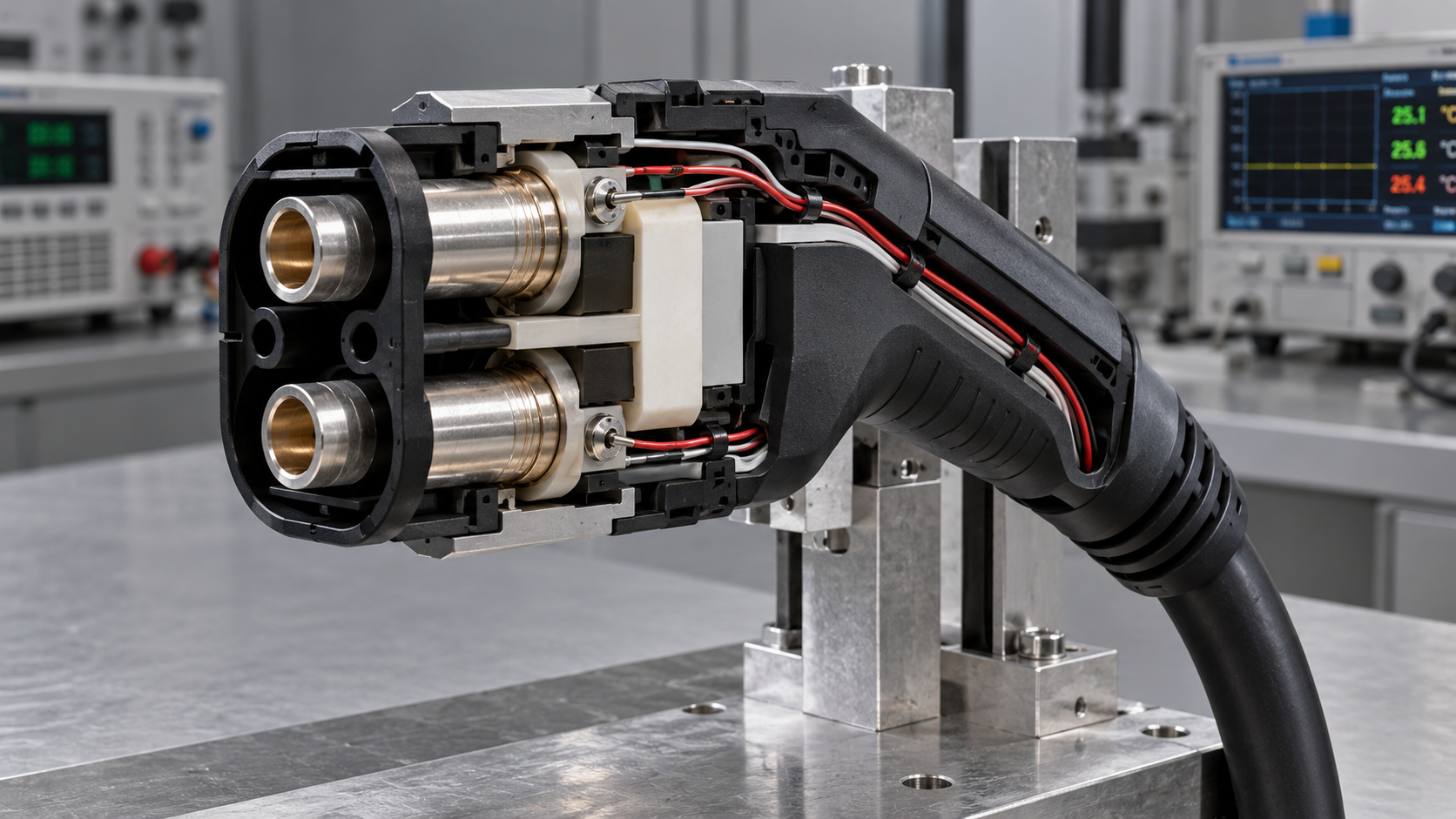
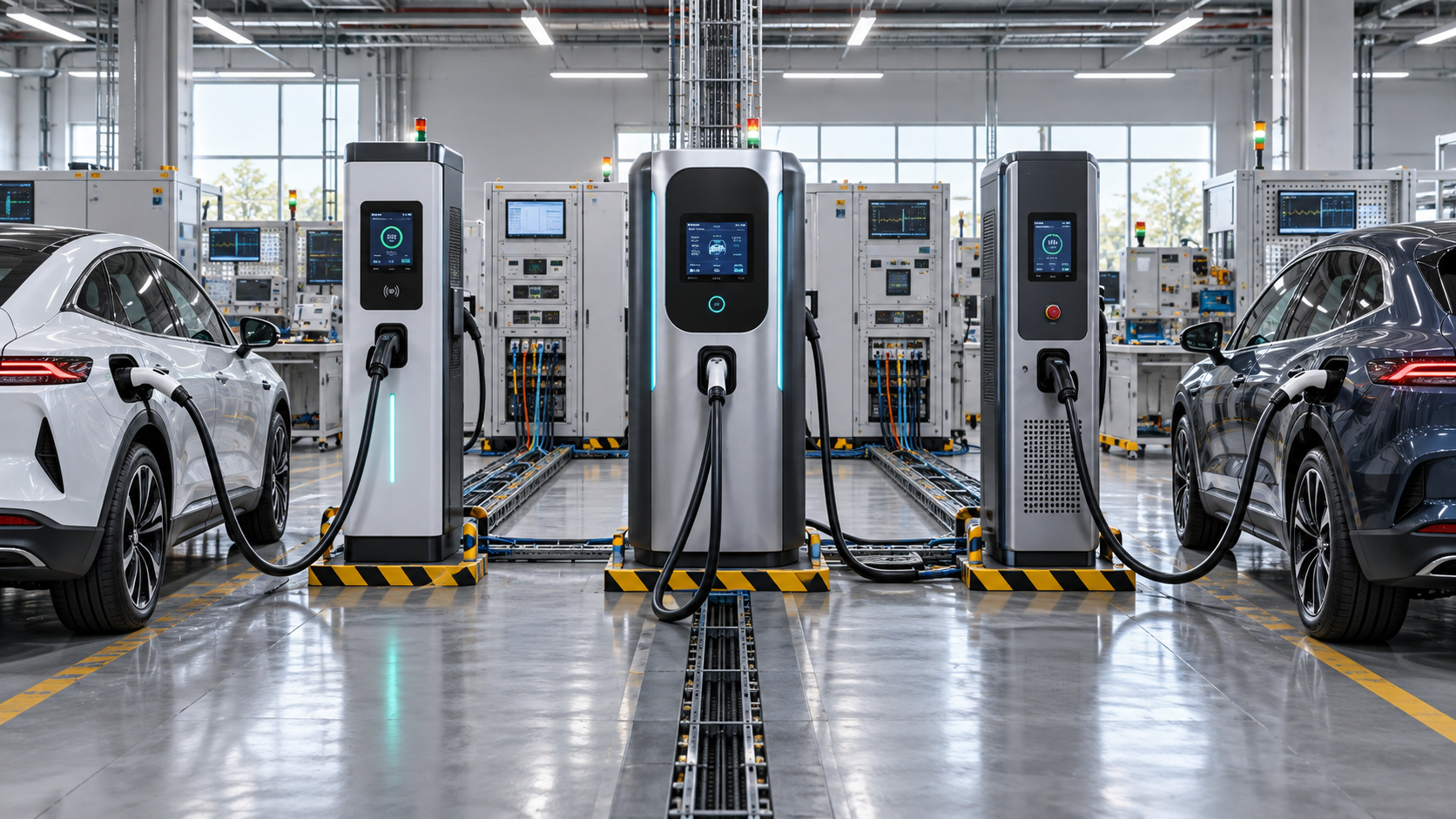
High-power systems are not commodity boxes anymore. Thermal management and power conversion quality now directly affect EV charging infrastructure costs.
Liquid-cooled superchargers, SiC modules, and cable cooling loops are expensive upfront. Still, they can improve uptime, throughput, and maintenance performance.
That matters because throughput drives revenue. If vehicles charge faster and queues clear sooner, the same site can serve more sessions per day.
In other words, thermal performance is not just an engineering topic. It is an asset productivity topic.
Questions worth asking suppliers
- What is the sustained output at high ambient temperature?
- How often does the charger derate under peak demand?
- What are the mean time between failures and field replacement times?
- How efficient is the power stage at common operating loads?
- What service parts and coolant maintenance are required annually?
These answers reveal whether EV charging infrastructure will perform as a revenue asset or behave like a high-maintenance burden.
Software, OCPP, and Network Operations Are Not Side Costs
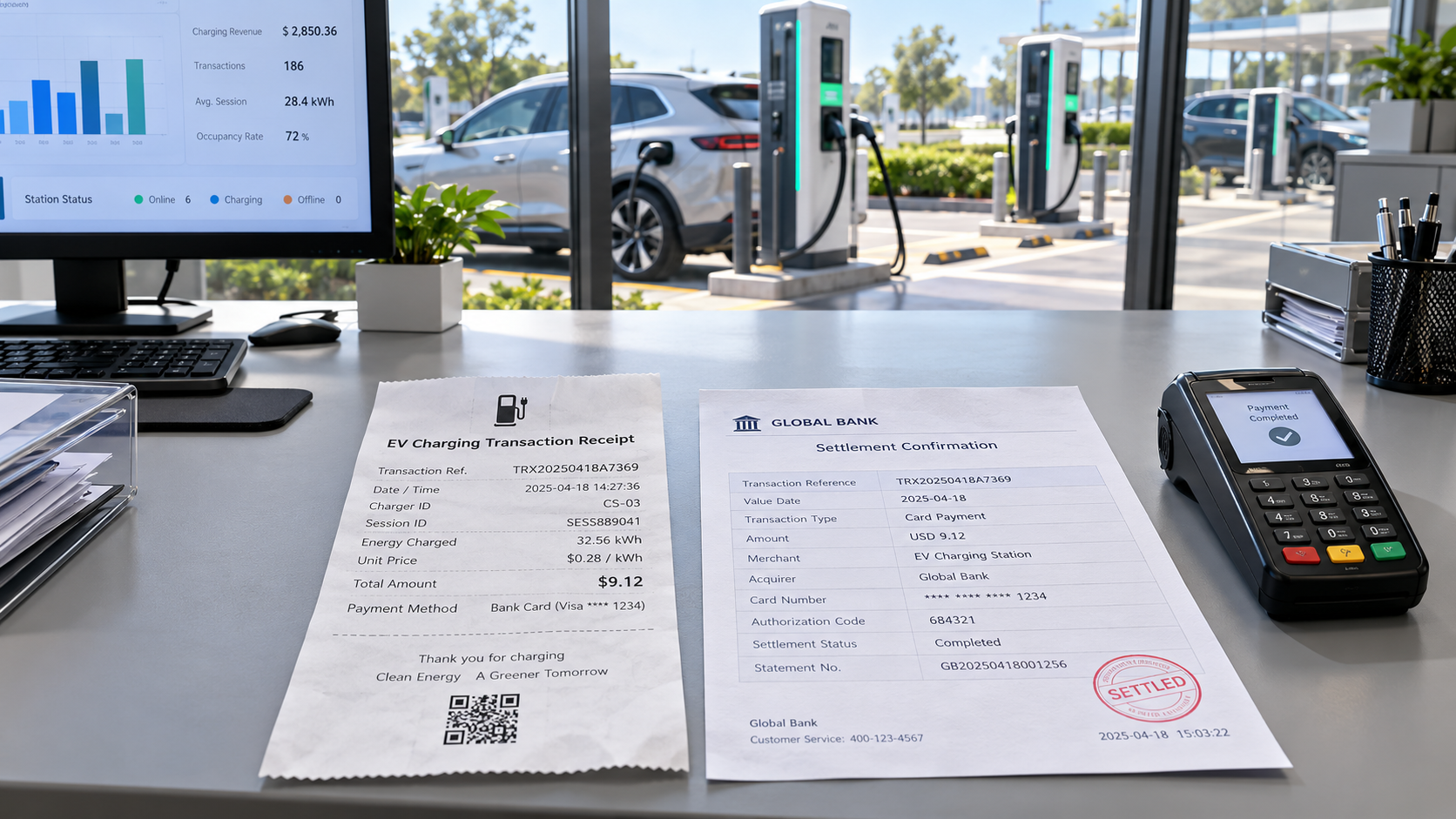
Many approvals still treat software as a minor line item. In 2026, that is risky for any EV charging infrastructure rollout.
OCPP gateway quality affects uptime, remote recovery, billing accuracy, and roaming revenue. Those are operating cash flow issues, not technical extras.
ISO 15118 support also matters more now. Plug and Charge can improve conversion and reduce abandoned sessions, especially in premium or fleet environments.
Common operating cost traps
- Recurring platform fees that scale poorly with site count.
- Weak remote diagnostics that increase truck rolls.
- Poor roaming settlement that limits network utilization.
- Billing disputes caused by inaccurate metering integration.
- Cybersecurity gaps that create compliance and downtime risk.
Reliable digital operations help EV charging infrastructure scale cleanly. Weak software stacks quietly raise total ownership cost month after month.
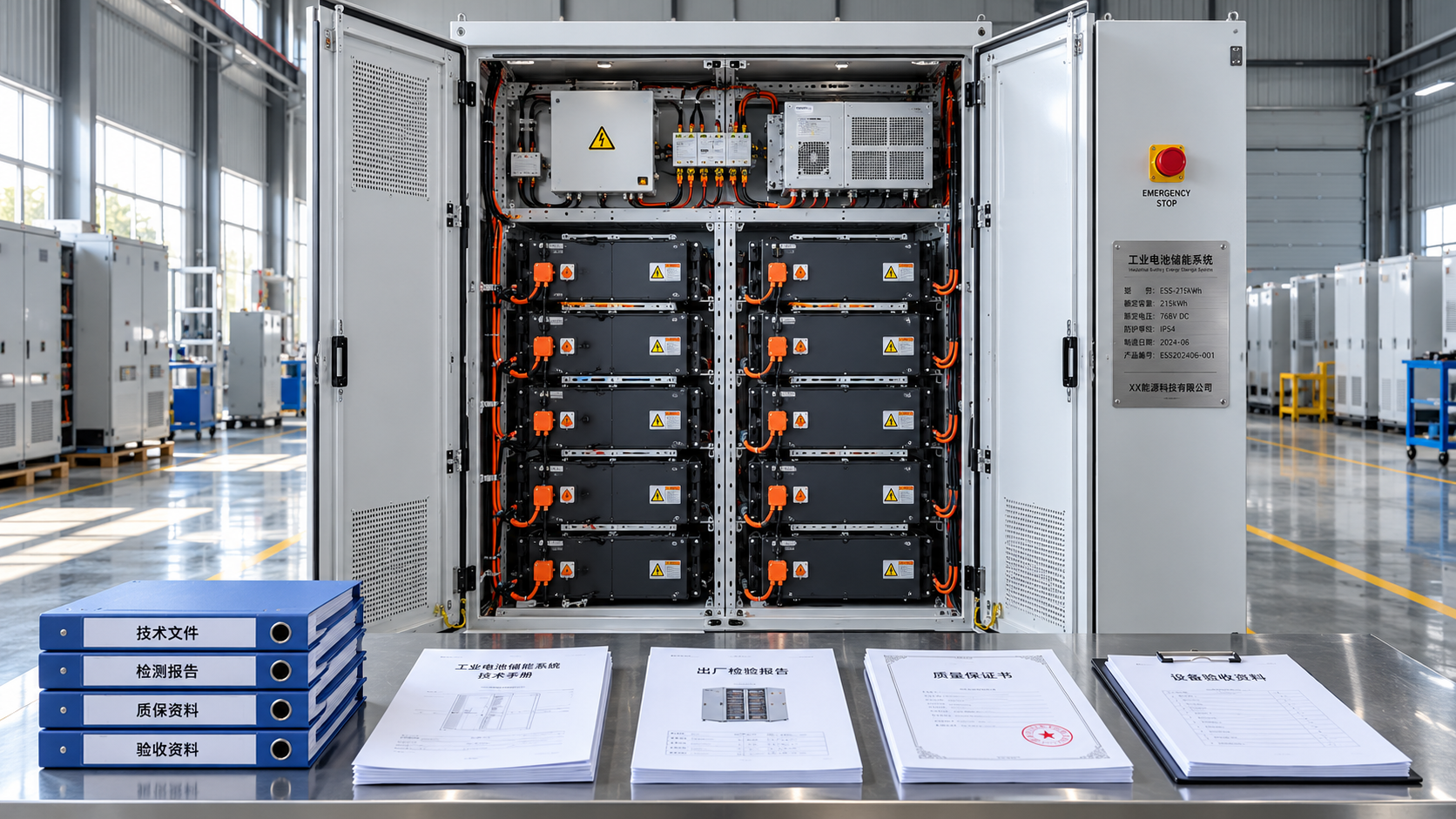
Microgrids and Storage Can Reduce EV Charging Infrastructure Costs
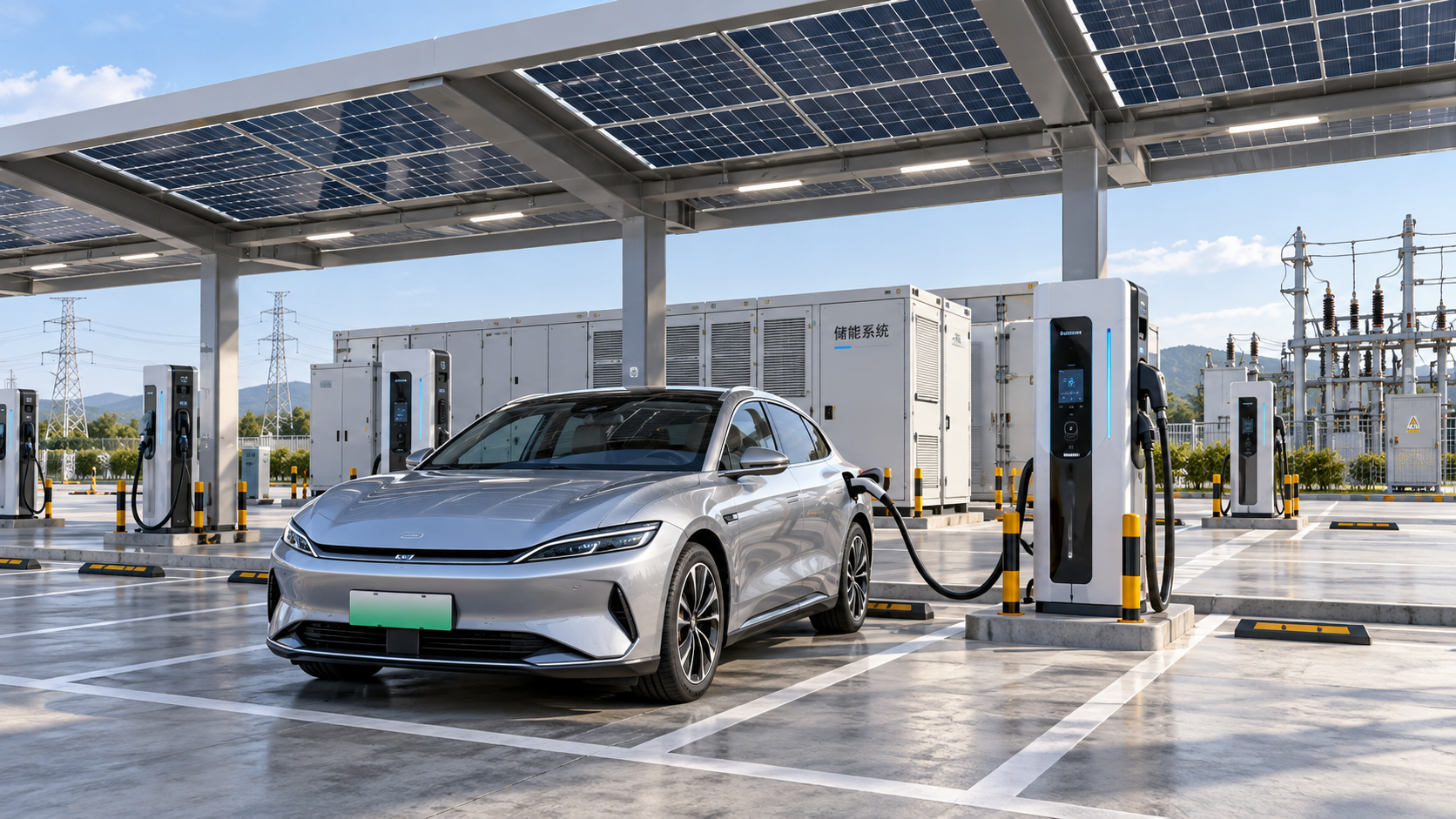
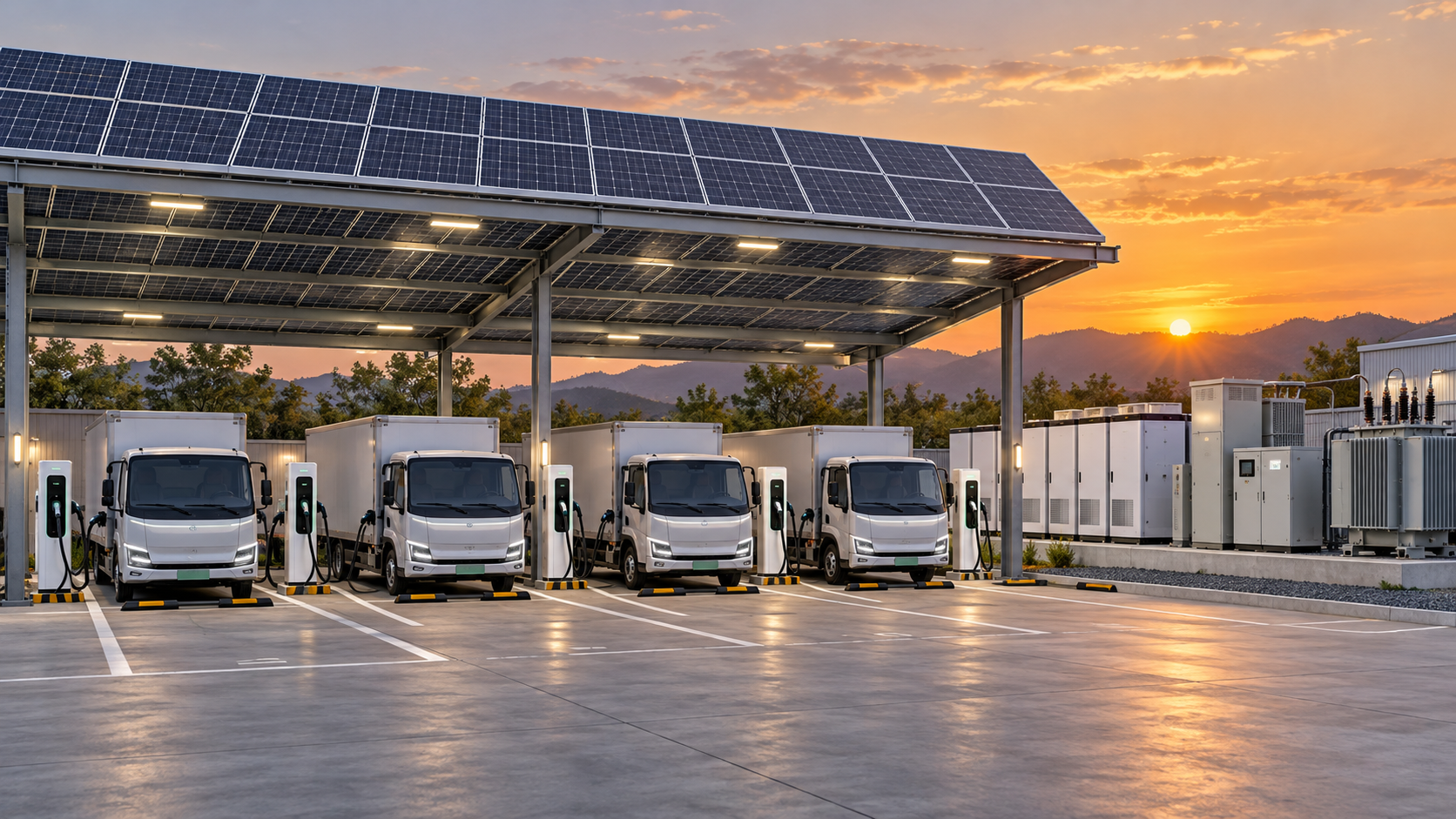
This is where project economics become more interesting. Solar-storage microgrids can reduce utility upgrades and smooth demand peaks.
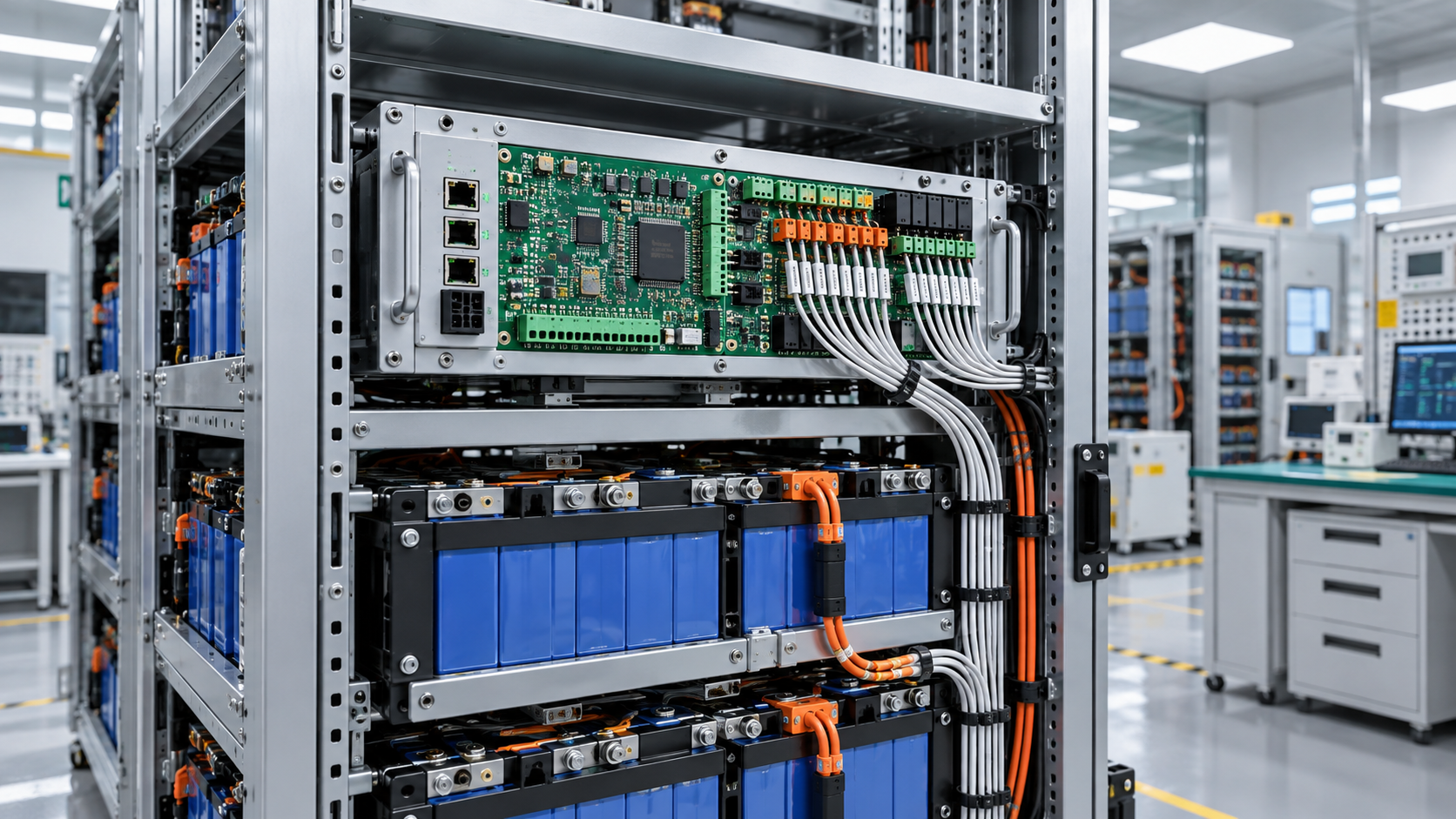
For constrained sites, storage can act as a buffer between limited grid supply and high charging demand. That can protect capex and speed deployment.
It also opens energy arbitrage. Cheap overnight power can be stored and discharged during costly daytime charging windows.
In some cases, the microgrid becomes the difference between a viable project and a delayed one.
Where storage usually makes sense
- Urban fast-charging sites with limited transformer headroom.
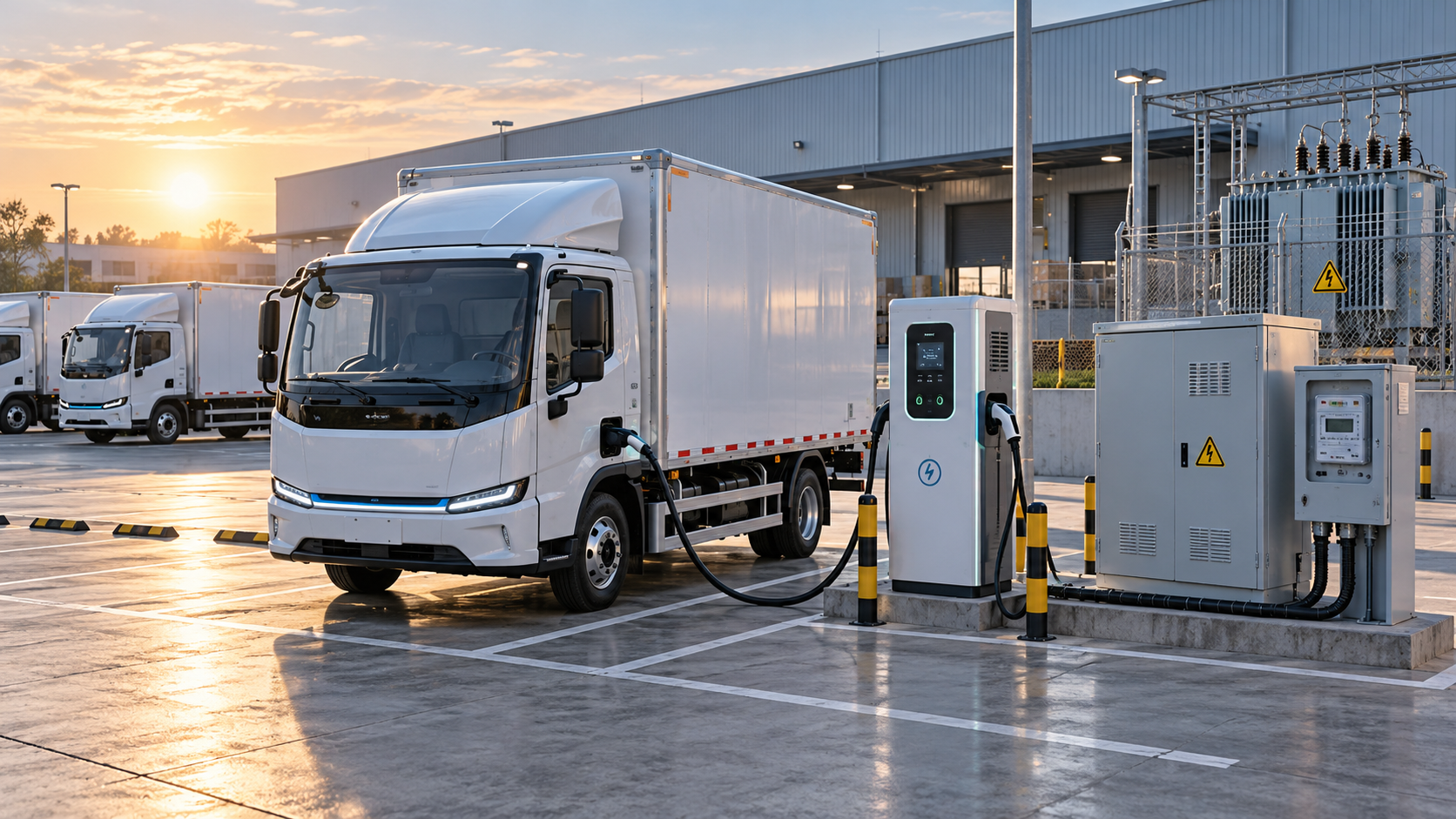
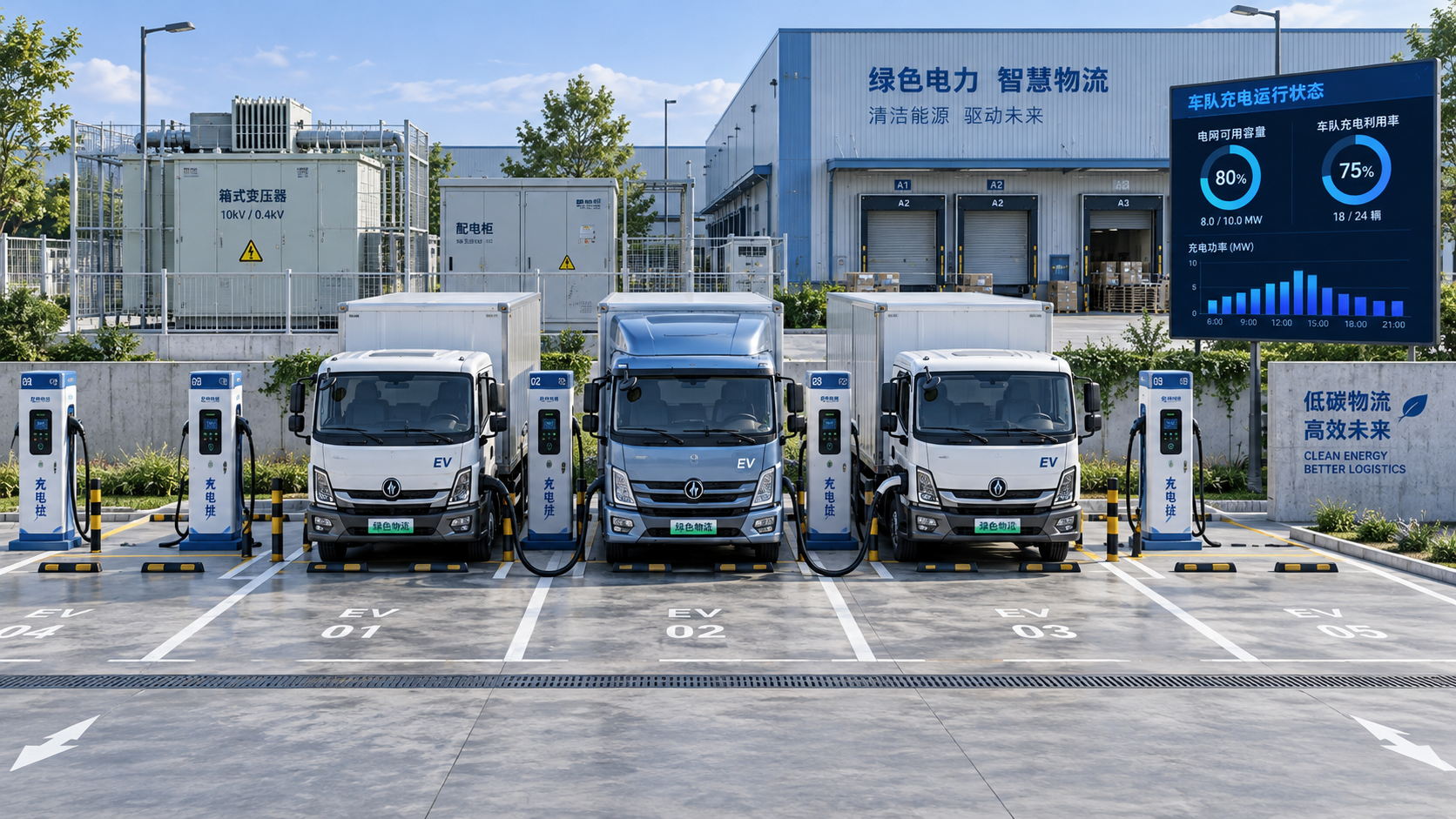
- Fleet depots with predictable charging windows.
- Retail or mixed-use sites exposed to high demand charges.
- Remote sites where grid reinforcement is too costly.
Not every site needs storage. But where grid constraints are severe, it can lower effective EV charging infrastructure costs over the asset life.
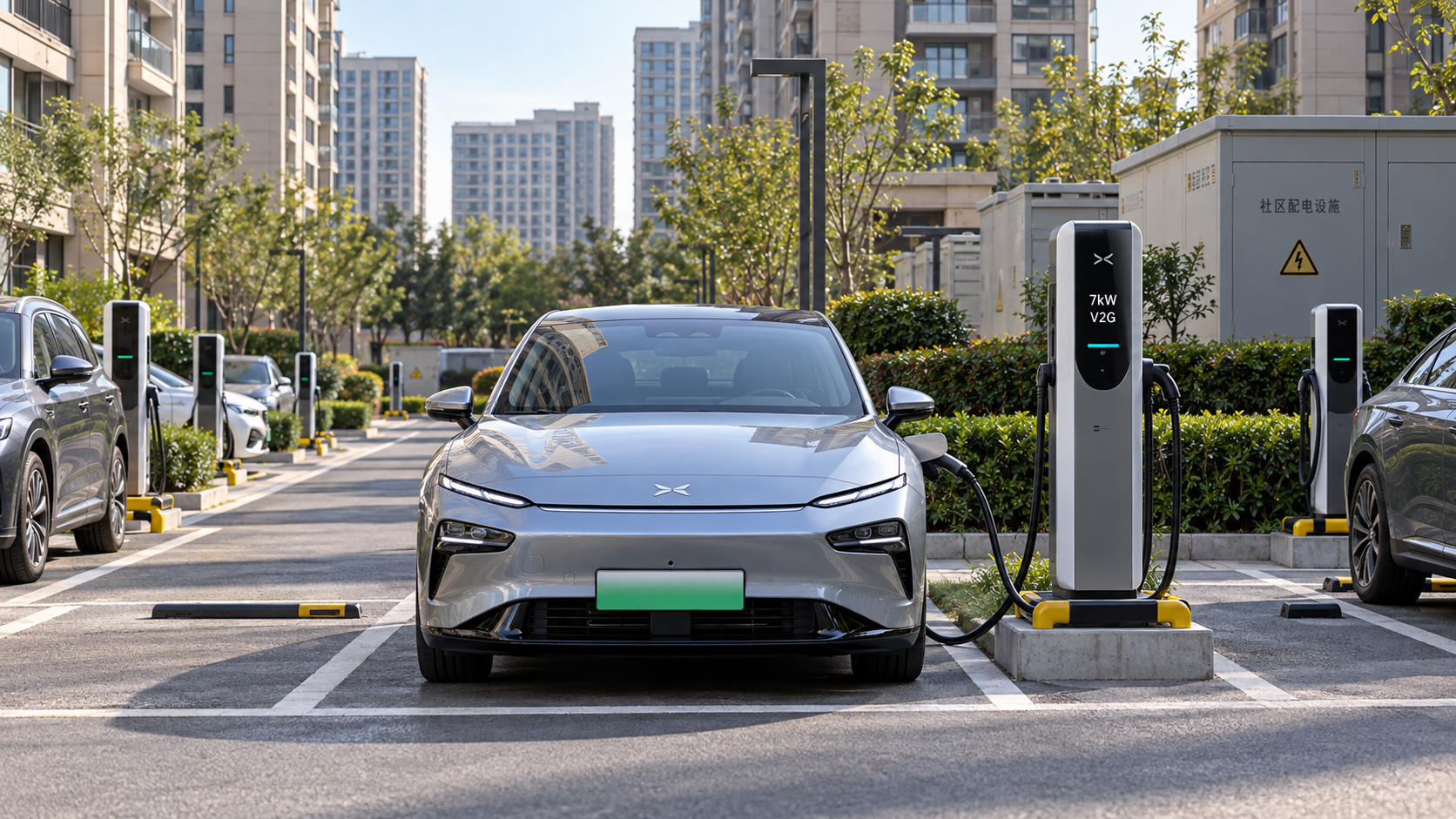
V2G and Bidirectional Systems Need a Stricter Business Case
V2G attracts attention because it turns parked vehicles into flexible energy assets. Still, not every market is ready for the same return profile.
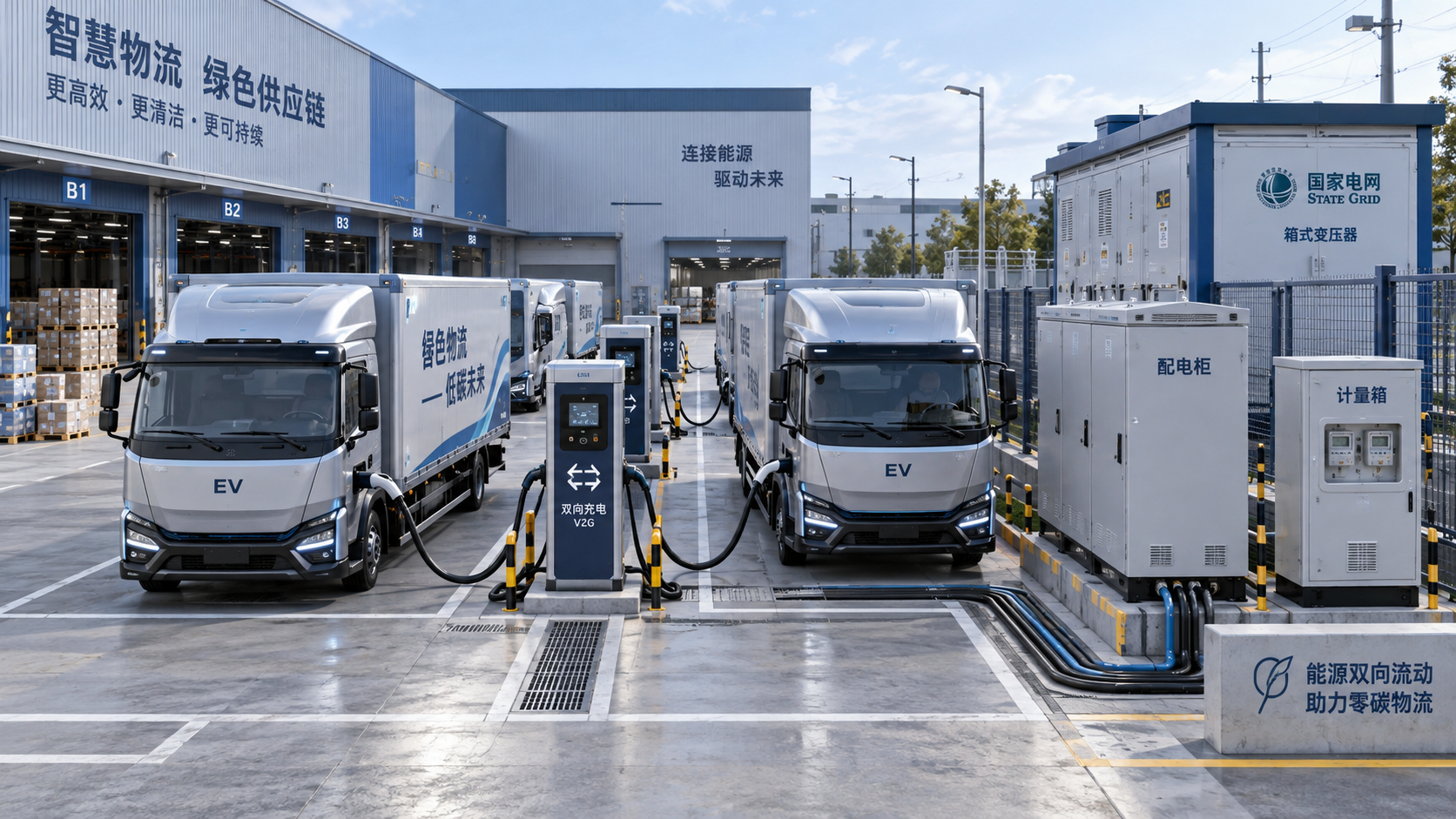
Bidirectional EV charging infrastructure adds hardware complexity, interconnection requirements, and software coordination. Those costs must be matched with clear grid-service revenue.
The best use cases tend to be fleets with predictable dwell times, tariff exposure, and strong control over charging behavior.
Without those conditions, V2G can remain strategically attractive but financially weak.
Approval checklist for V2G projects
- Verify utility compensation and ancillary market access.
- Model battery cycling impact and warranty implications.
- Confirm charger, vehicle, and software interoperability.
- Stress test revenue assumptions against real dispatch patterns.
That level of discipline keeps EV charging infrastructure investment grounded in measurable returns rather than technical optimism.
A Practical Framework for Comparing Suppliers
When comparing proposals, total ownership logic works better than simple capex ranking. It creates a clearer picture of real EV charging infrastructure value.
This framework keeps EV charging infrastructure reviews focused on measurable outcomes. It also improves alignment between engineering, operations, and capital teams.
What Smart Approval Looks Like Now
The best approvals in 2026 do three things well. They price site constraints honestly, compare lifetime performance, and test upside from energy flexibility.
That approach leads to better EV charging infrastructure decisions. It avoids overspending on the wrong hardware and underspending on the right controls.
For teams evaluating fast charging, microgrids, or V2G, the strongest question is no longer, “What does the charger cost?”
The stronger question is, “What combination of power access, uptime, utilization, and energy strategy creates the best return?”
If that question guides procurement, EV charging infrastructure becomes more than a compliance asset. It becomes a scalable operating and revenue platform.
Get weekly intelligence in your inbox.
No noise. No sponsored content. Pure intelligence.
 Oct 27, 2026Choosing a Battery Energy Storage Cabinet Supplier: Safety and Warranty ChecksChoosing a Battery Energy Storage Cabinet Supplier: Safety and Warranty Checks
 Oct 26, 2026Jinan Expands Residential V2G Use With 21 Dedicated 7 kW ChargersJinan Expands Residential V2G Use With 21 Dedicated 7 kW Chargers
 Oct 26, 2026Charging Station Billing Software: Evaluating Tariffs, Payments, and ReconciliationCharging Station Billing Software: Evaluating Tariffs, Payments, and Reconciliation
 Oct 25, 2026Servotech Unveils Dynamix360 and Nexus120 Fast Chargers at REI Expo 2026Servotech Unveils Dynamix360 and Nexus120 Fast Chargers at REI Expo 2026
 Oct 25, 2026E-Mobility Billing Platform Pricing: Setup, Subscription, and Transaction FeesE-Mobility Billing Platform Pricing: Setup, Subscription, and Transaction Fees
 Oct 24, 2026Chery Unveils 1.44 MW Volt-dragon Supercharging System and V2G Smart Charging CenterChery Unveils 1.44 MW Volt-dragon Supercharging System and V2G Smart Charging Center
 Oct 24, 2026How to Set Up EV Charging Billing and Parking Discounts at Shopping MallsHow to Set Up EV Charging Billing and Parking Discounts at Shopping Malls
 Oct 23, 2026Electrify America Opens Its Largest Charging Station in OrlandoElectrify America Opens Its Largest Charging Station in Orlando
 Oct 23, 2026How Thermal Monitoring and Derating Reduce Overheating in EV Charging ConnectorsHow Thermal Monitoring and Derating Reduce Overheating in EV Charging Connectors
 Oct 22, 2026NOX Energy Expands Melbourne Apartment EV Charging Network to Nearly 1,900 HomesNOX Energy Expands Melbourne Apartment EV Charging Network to Nearly 1,900 Homes
 Oct 22, 2026Vehicle-to-Grid Services for Depots: Can Revenue Justify the Costs?Vehicle-to-Grid Services for Depots: Can Revenue Justify the Costs?
 Oct 21, 2026CATL Unveils Dual-Battery Range Extension and Heavy-Truck Battery-Swapping PlanCATL Unveils Dual-Battery Range Extension and Heavy-Truck Battery-Swapping Plan
 Oct 20, 2026Eberspaecher Vecture Unveils GuardIon-IQ Modular BMS for 12–1500V Battery SystemsEberspaecher Vecture Unveils GuardIon-IQ Modular BMS for 12–1500V Battery Systems
 Oct 20, 2026EV Charging Gateway Software Pricing: License, Integration, and Support CostsEV Charging Gateway Software Pricing: License, Integration, and Support Costs
 Oct 19, 2026OCPP Platforms: Compatibility Checks for Mixed-Brand Charging NetworksOCPP Platforms: Compatibility Checks for Mixed-Brand Charging Networks
 Oct 18, 2026Choosing Fleet Charging Software for Depots With Limited Grid CapacityChoosing Fleet Charging Software for Depots With Limited Grid Capacity
 Oct 17, 2026Battery Swapping Infrastructure Suppliers: A Heavy-Truck Procurement ChecklistBattery Swapping Infrastructure Suppliers: A Heavy-Truck Procurement Checklist
 Oct 16, 2026How to Evaluate Fleet Charge Point Management Systems for Power-Limited DepotsHow to Evaluate Fleet Charge Point Management Systems for Power-Limited Depots
 Oct 15, 2026Depot Charging ROI: How Grid Upgrade Costs and Fleet Utilization Affect PaybackDepot Charging ROI: How Grid Upgrade Costs and Fleet Utilization Affect Payback
 Oct 14, 2026Vehicle-to-Grid Infrastructure Costs for Fleets: What to Include in Your BudgetVehicle-to-Grid Infrastructure Costs for Fleets: What to Include in Your Budget
 Oct 13, 2026Bus Fleet Charging Systems: How to Meet Departure Times Within Grid LimitsBus Fleet Charging Systems: How to Meet Departure Times Within Grid Limits
 Oct 12, 2026How EV Drivers Can Use Roaming Networks Across Germany Without Billing SurprisesHow EV Drivers Can Use Roaming Networks Across Germany Without Billing Surprises
 Oct 11, 2026How to Size Solar EV Charging Stations for Fleet Depots and Daily Charging DemandHow to Size Solar EV Charging Stations for Fleet Depots and Daily Charging Demand
 Oct 10, 2026How Remote Charger Monitoring Prevents Downtime Across Multi-Site EV FleetsHow Remote Charger Monitoring Prevents Downtime Across Multi-Site EV Fleets
 Oct 09, 2026RFID Charging Access Control: How Reader IDs Map to OCPP AuthorizationsRFID Charging Access Control: How Reader IDs Map to OCPP Authorizations
 Oct 08, 2026How Remote Charger Management Alerts Prevent Downtime at Multi-Site EV FleetsHow Remote Charger Management Alerts Prevent Downtime at Multi-Site EV Fleets
 Oct 07, 2026How to Assess Battery Swapping Stations for High-Utilization Fleet DepotsHow to Assess Battery Swapping Stations for High-Utilization Fleet Depots