Charging Station Interoperability OCPI Explained: Common Integration Gaps and How to Fix Them
Why charging station interoperability OCPI becomes a maintenance issue first
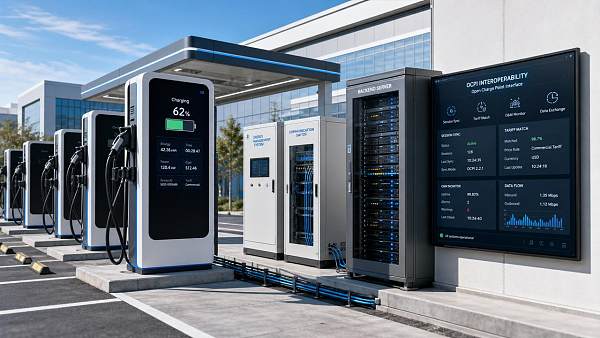
Charging station interoperability OCPI is often discussed as a roaming standard, but field experience shows a different priority.
The first warning usually appears in maintenance tickets, failed sessions, missing tariffs, or charger status that never matches the platform view.
In networks linked to OCPP gateways, billing engines, and energy management layers, small OCPI gaps quickly become operational losses.
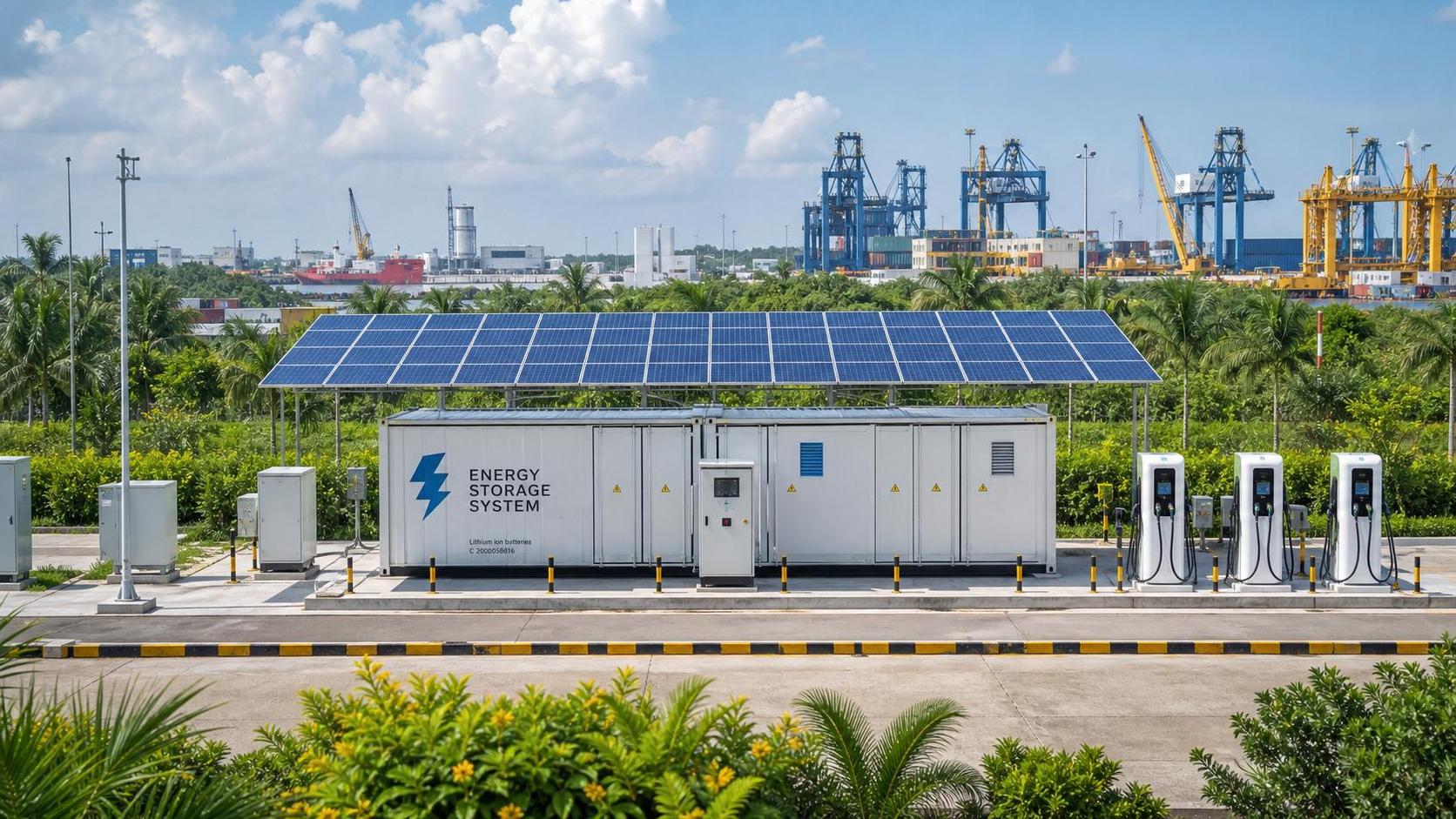
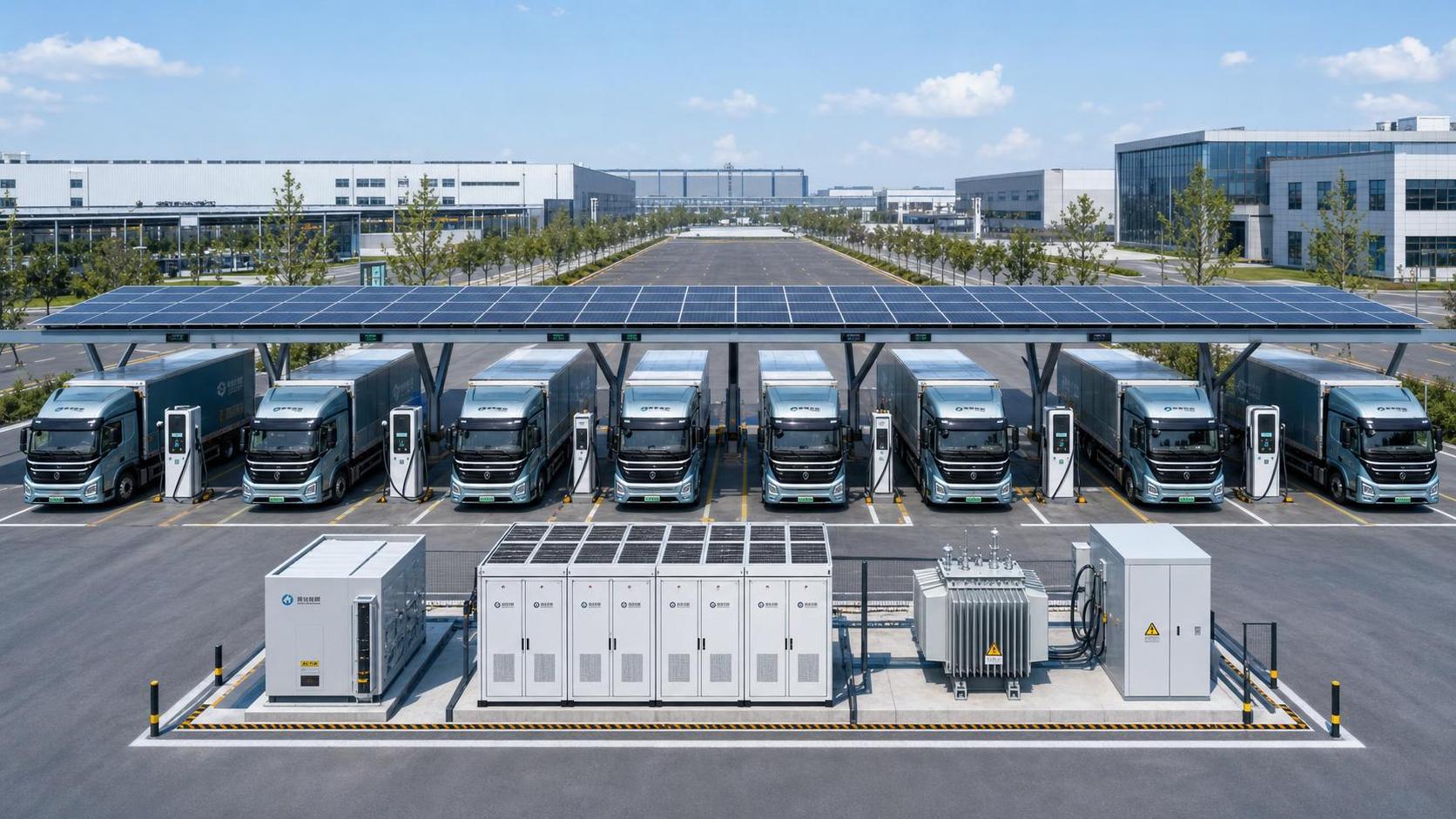
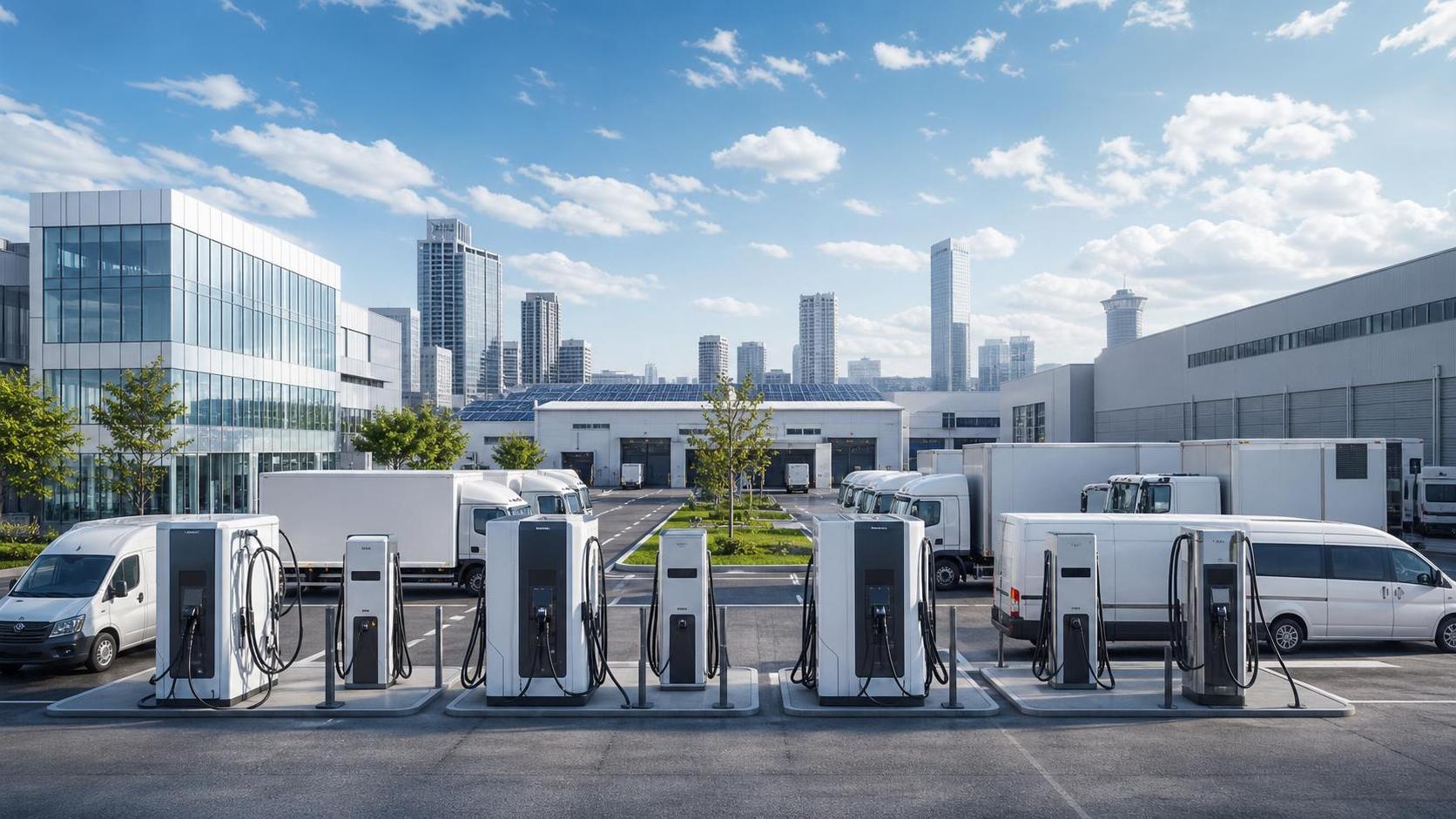
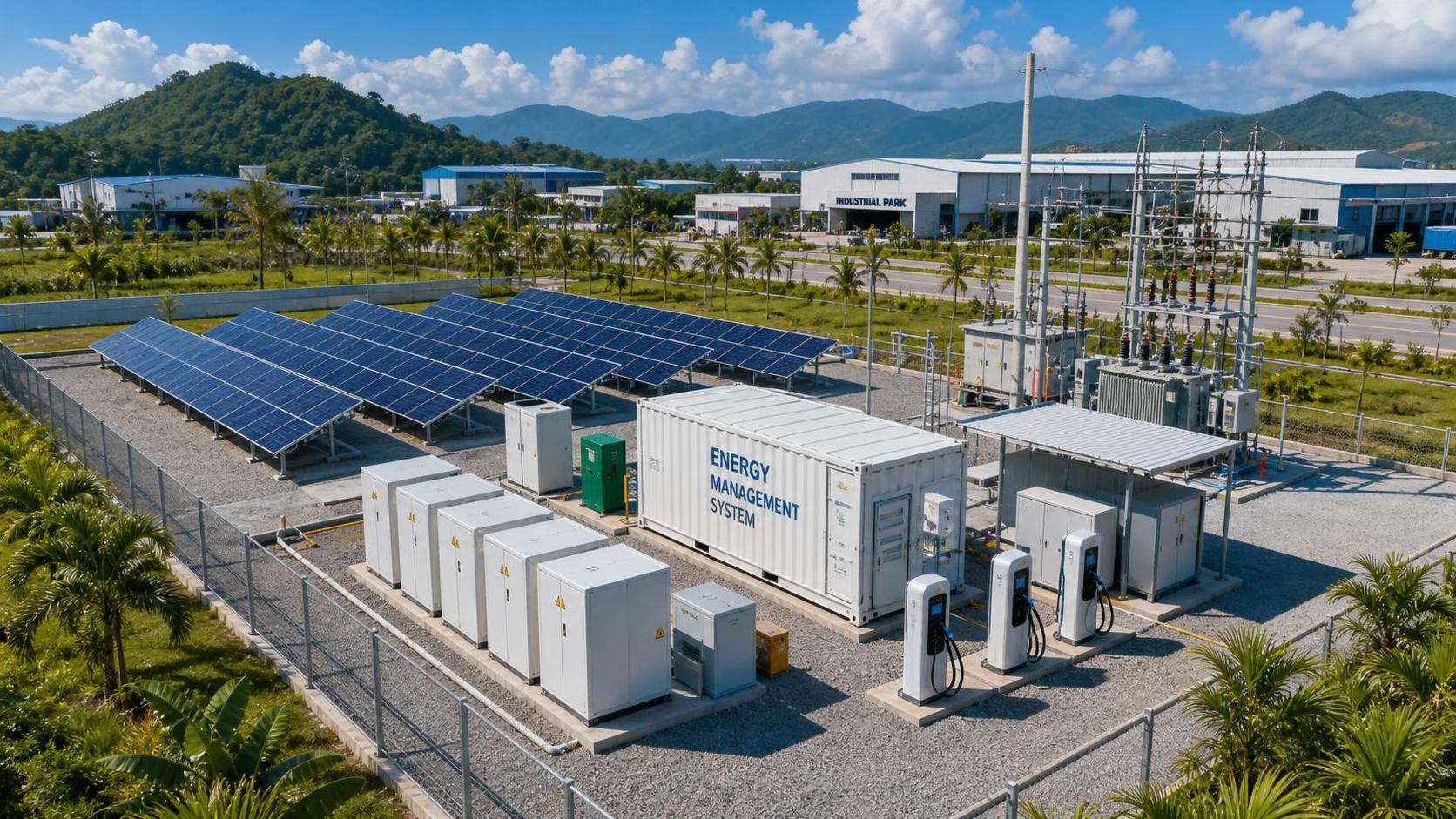
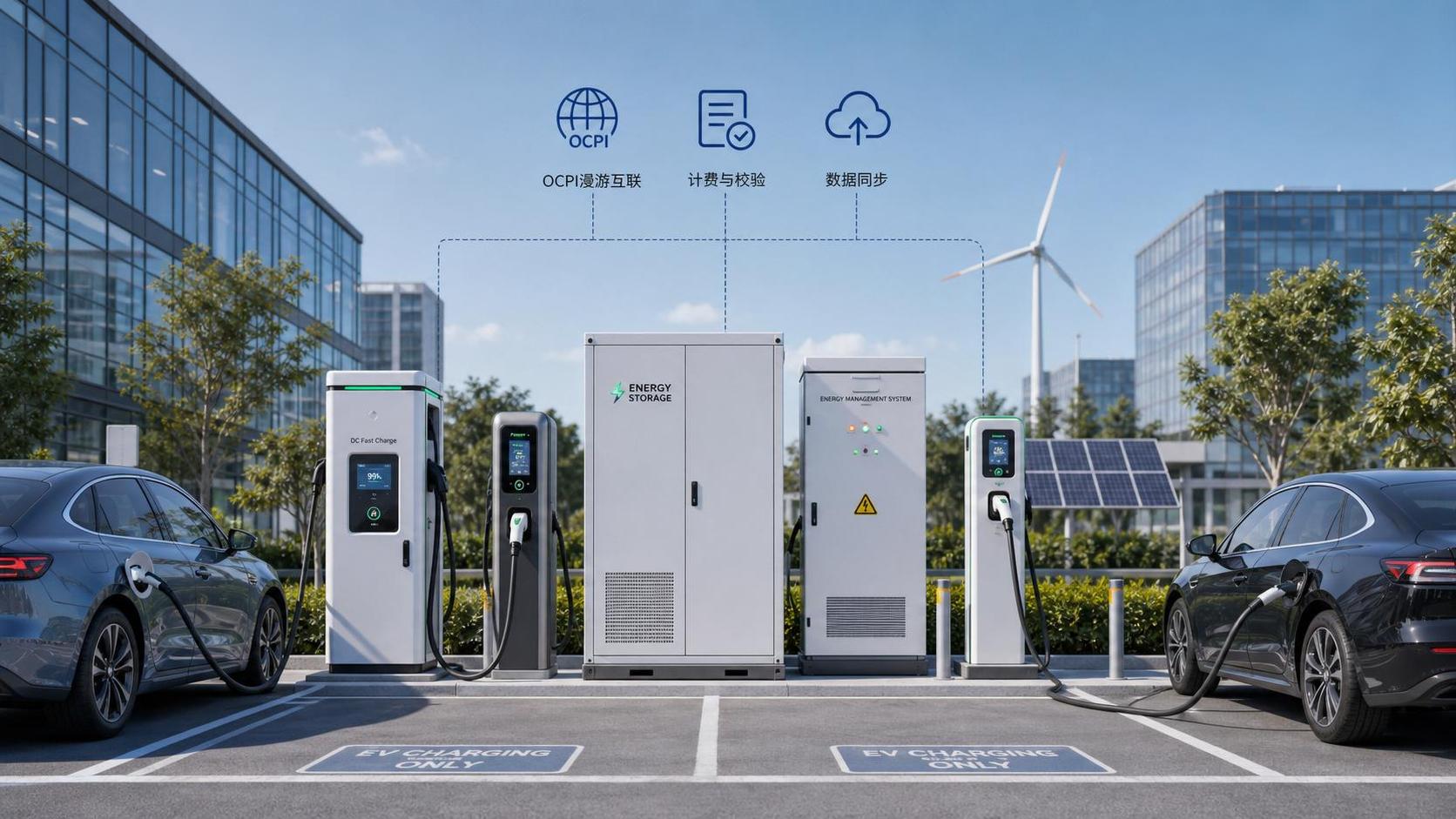
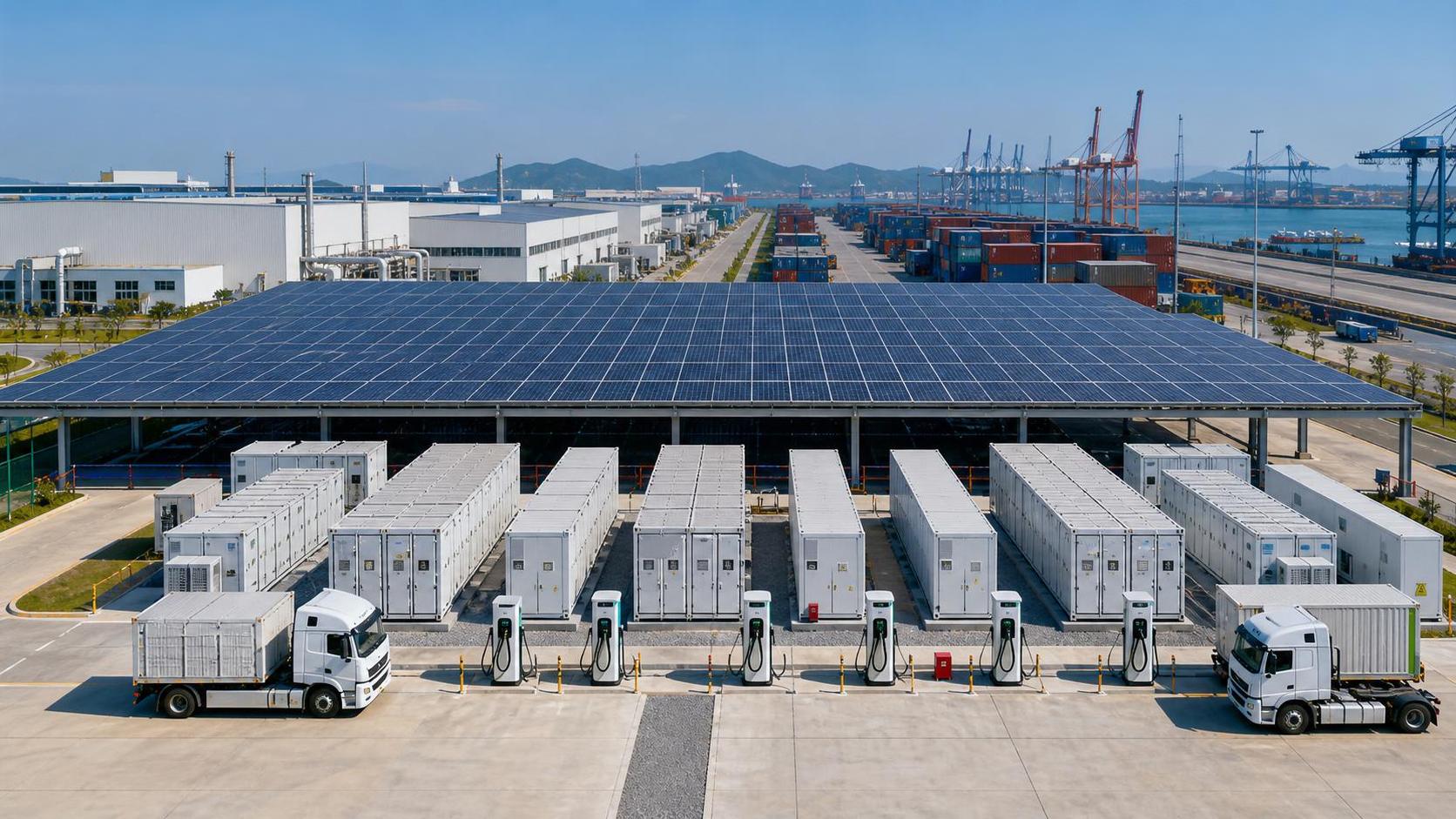
That matters even more in ECMS-related projects, where high-power DC sites, destination charging, fleets, and solar-storage hubs share one digital chain.
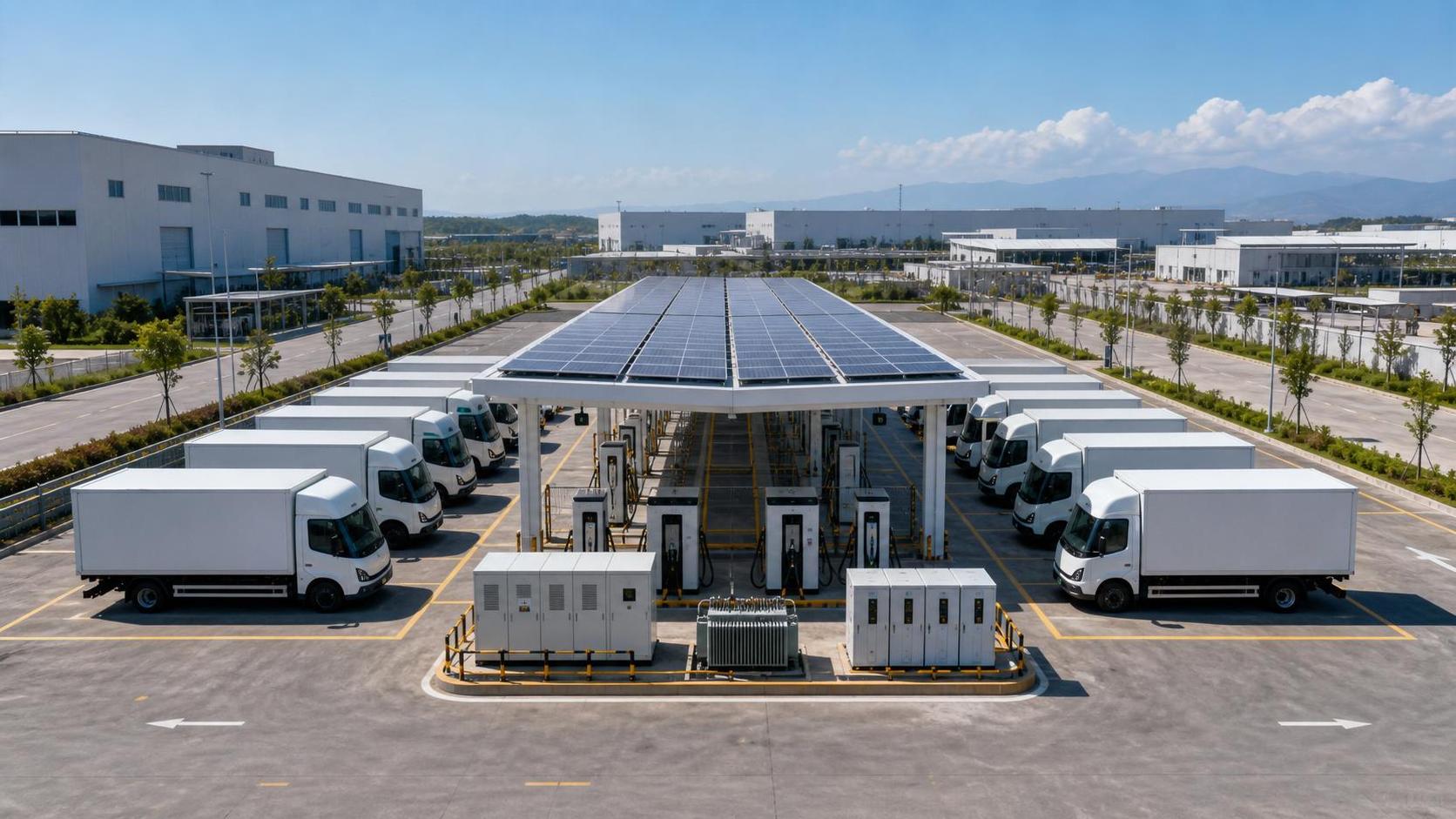
A roaming failure at a mall charger is inconvenient. The same failure at a logistics yard can disrupt schedules, demand forecasts, and utilization reports.
So charging station interoperability OCPI should be judged less as a checkbox and more as an uptime discipline.
Different sites create different OCPI failure patterns
Not every integration gap comes from the same source, because the operating context changes the weak point.
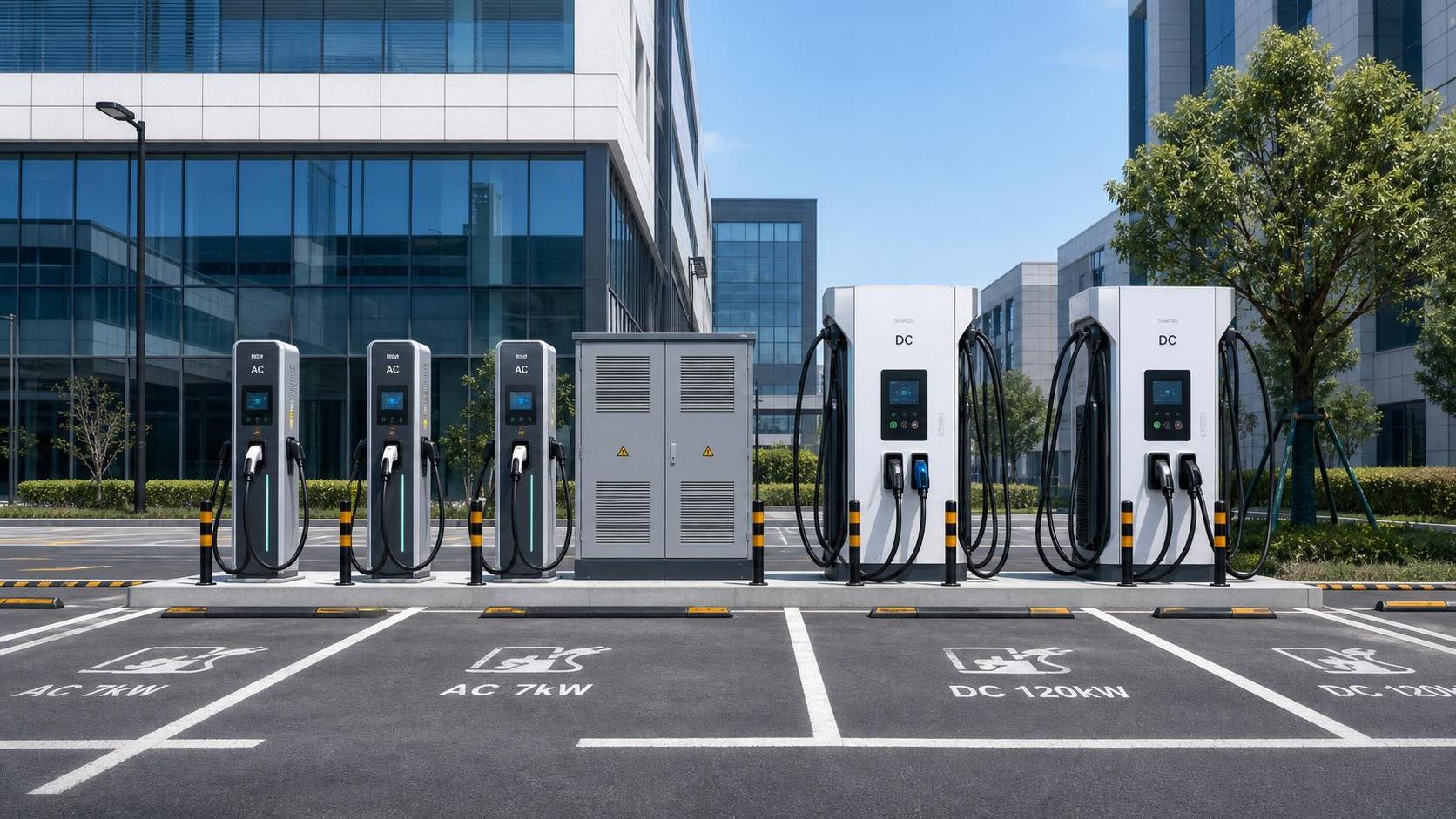
Public roaming sites usually struggle with token consistency, tariff updates, and location visibility across platforms.
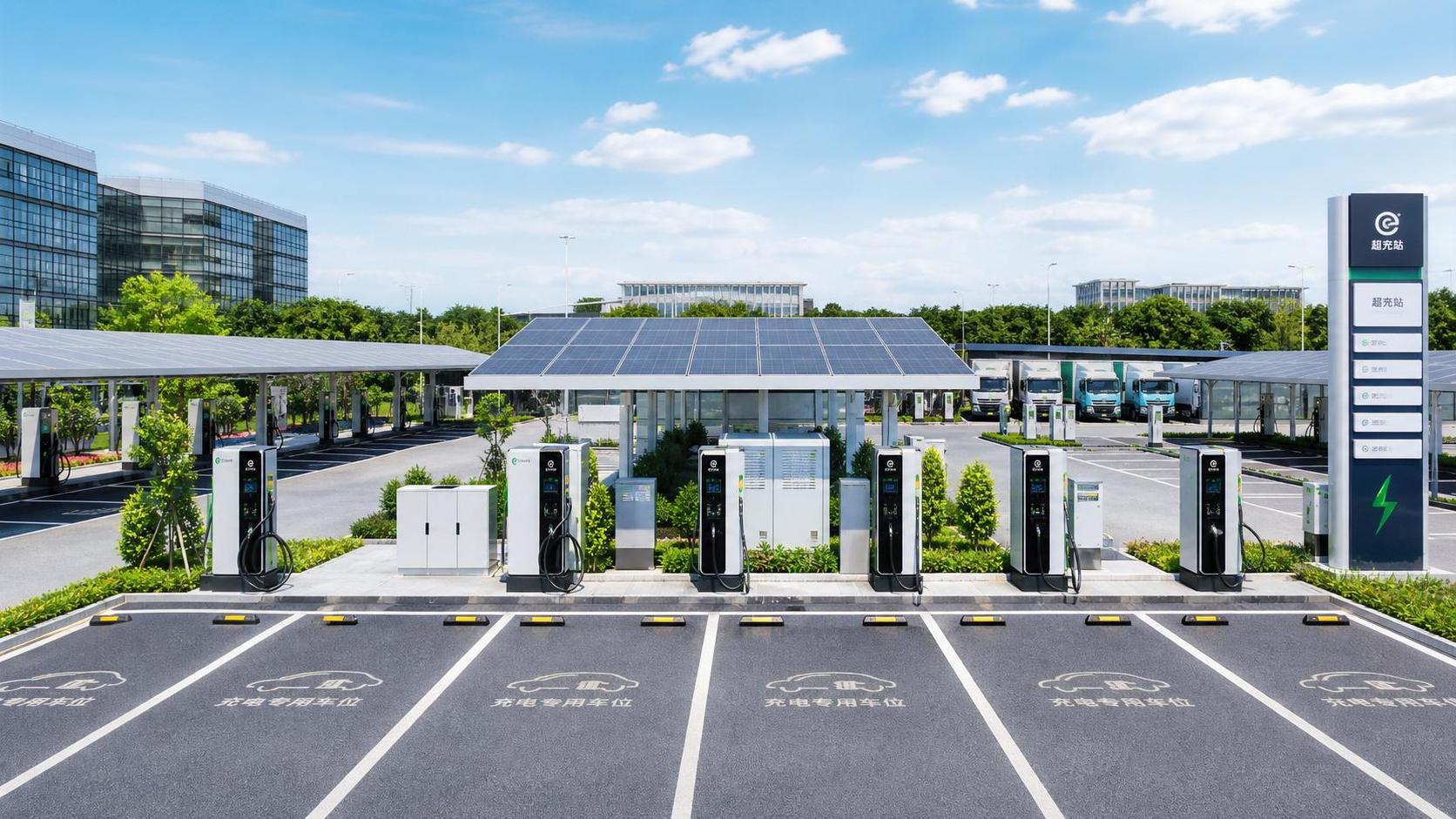
Fleet depots care more about session reliability, authorization speed, and clean transaction records for internal cost allocation.
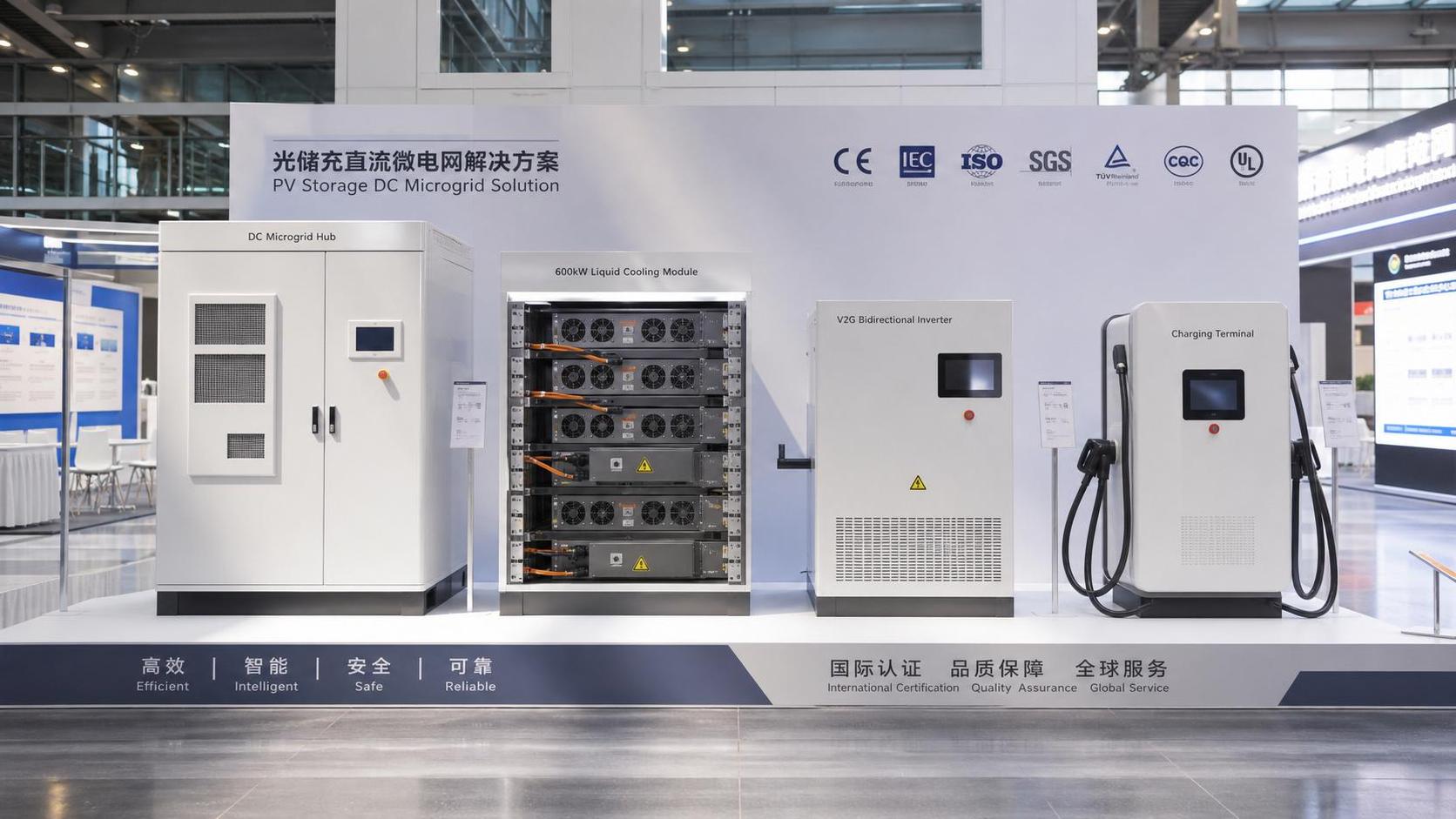
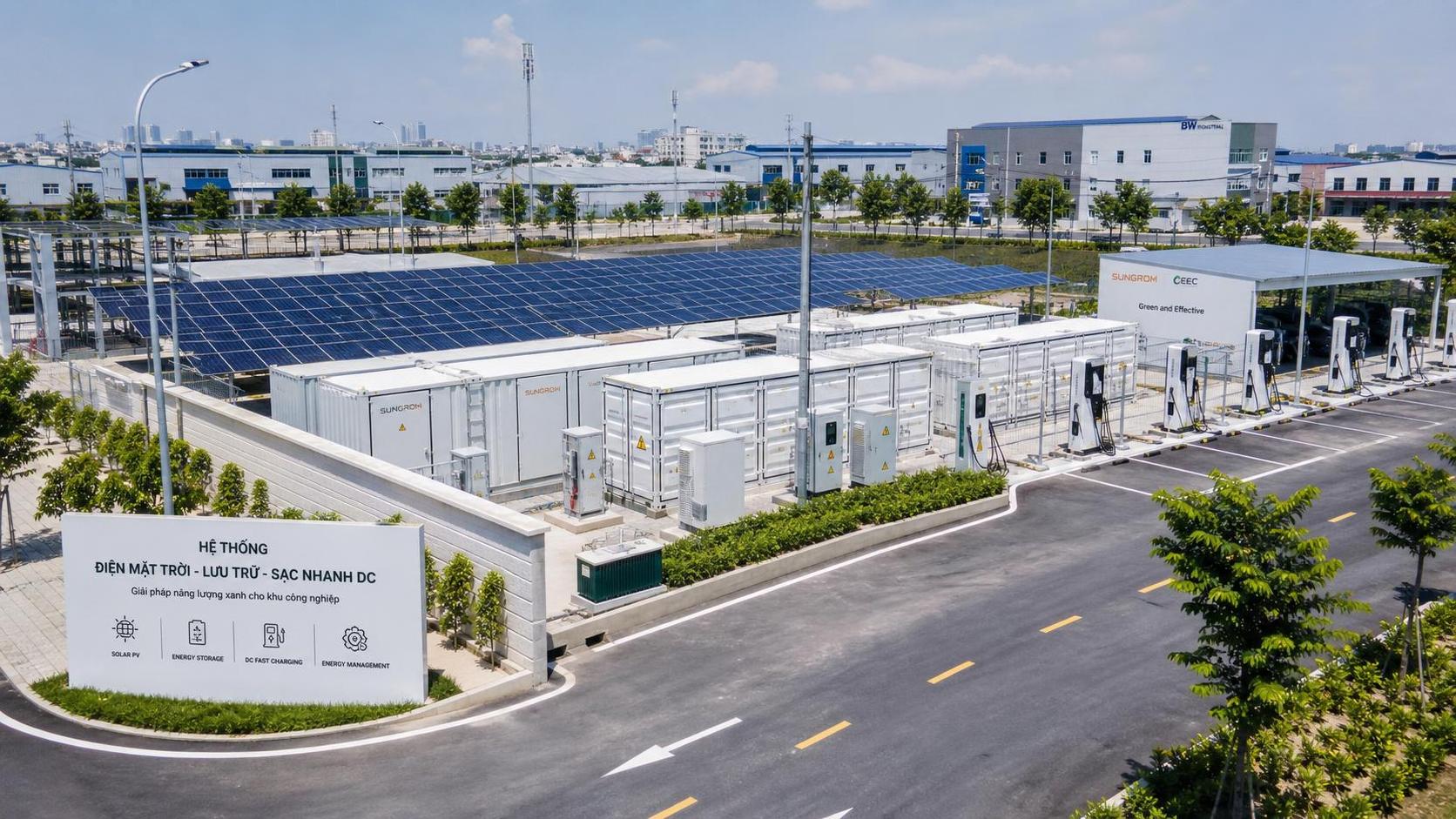
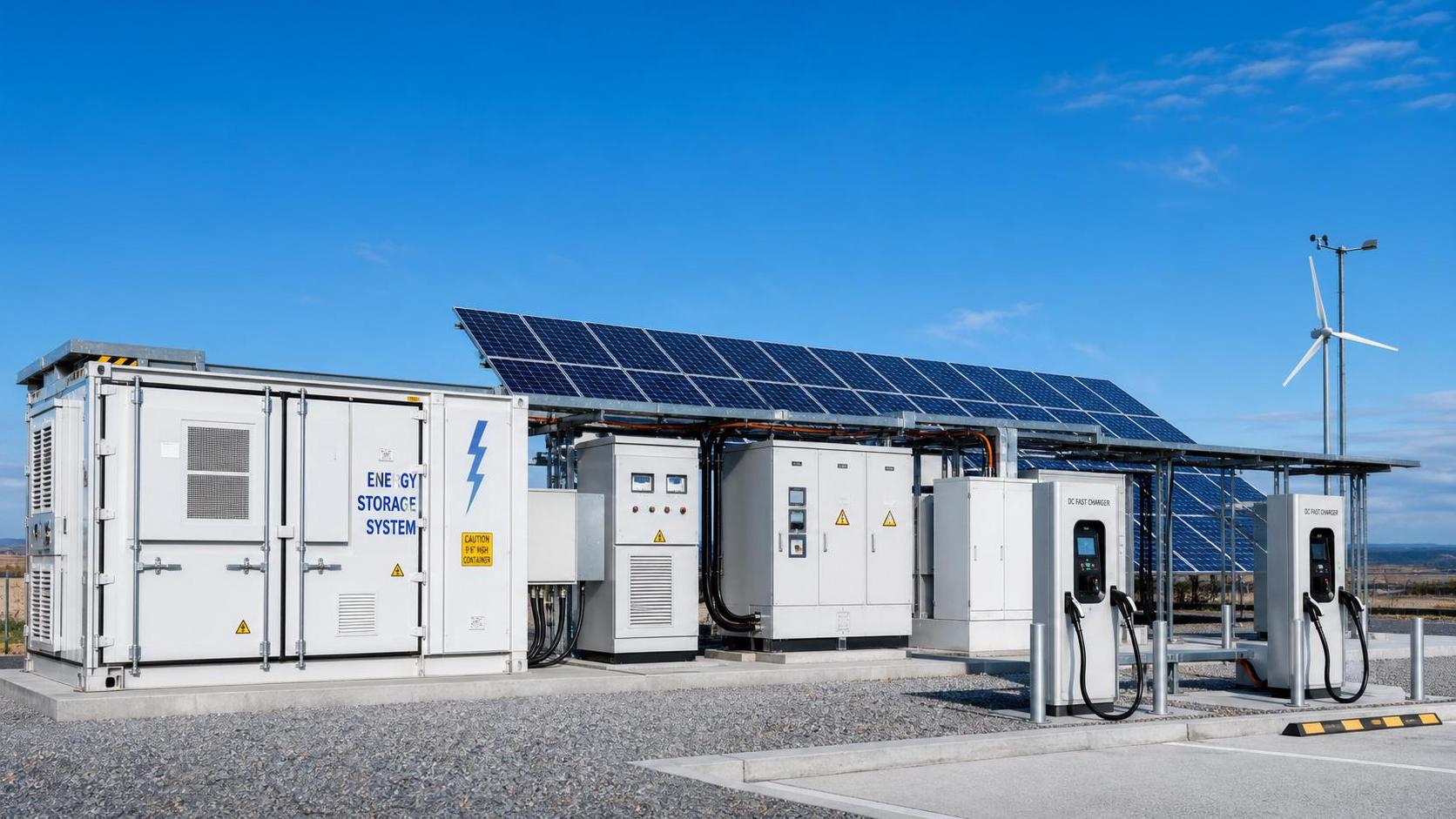
Microgrid-backed charging hubs add another layer. OCPI data must align with local EMS logic, peak shaving rules, and storage dispatch timing.
The practical takeaway is simple: the same charging station interoperability OCPI problem can have very different business impact depending on site behavior.
Where open public networks usually break
In open-access charging, the common complaint is not protocol syntax. It is inconsistent information between roaming partners.
A station may be online in the CPO backend, offline in the eMSP map, and still appear available to drivers.
That mismatch often comes from delayed location pushes, incomplete status mapping, or unsupported status enums during normalization.
Another frequent issue is tariff desynchronization. The session starts correctly, but the final CDR reflects an older pricing rule.
What changes at fleet and heavy-duty sites
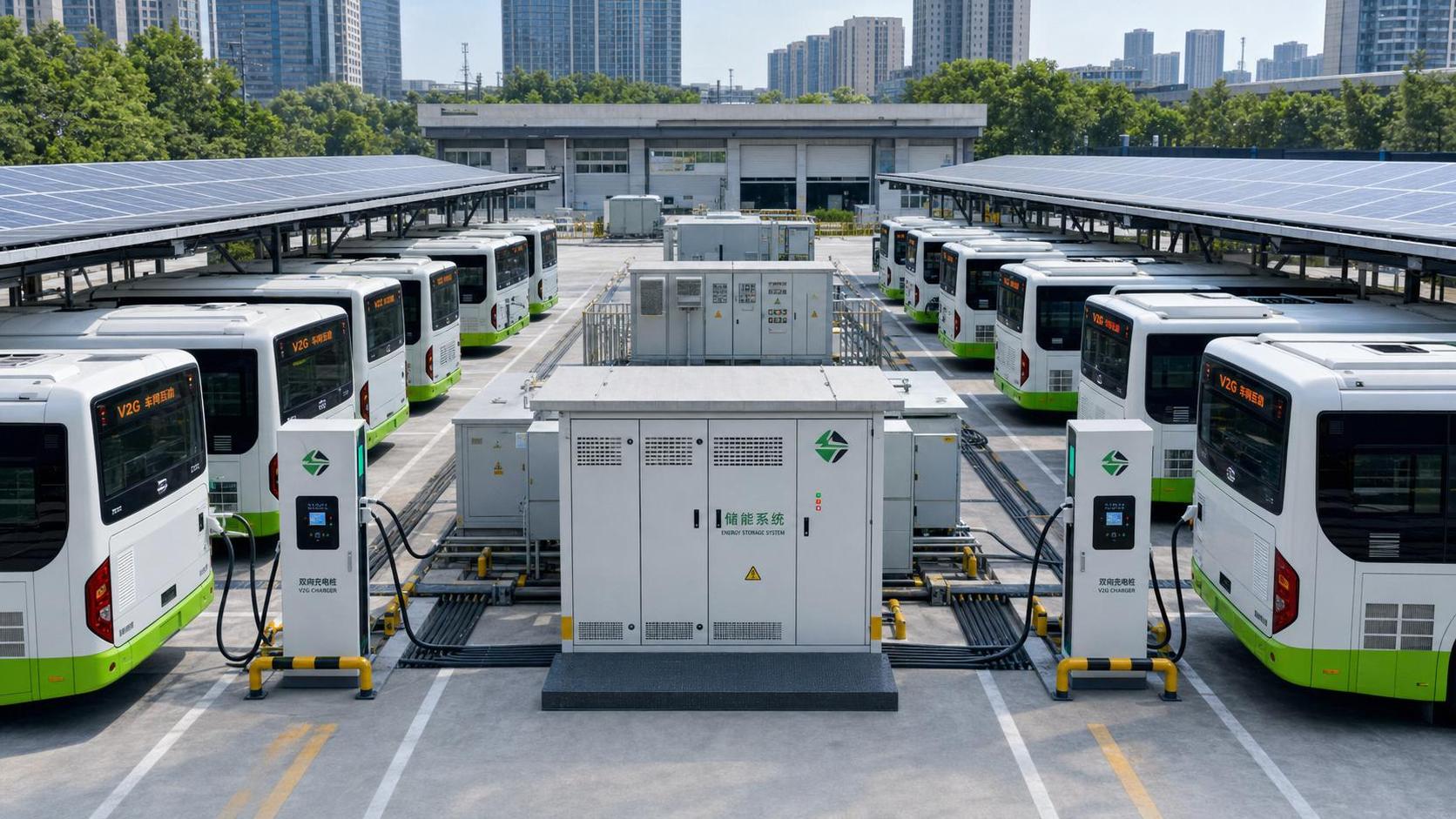
In depot charging, fewer roaming partners exist, but the tolerance for failure is much lower.
Authorization latency matters because queued vehicles can compress charging windows and collide with dispatch plans.
For megawatt-class or heavy-duty charging, session timestamps must stay consistent across charger, backend, and OCPI exchange layer.
If they do not, energy data, occupancy logic, and settlement records become difficult to trust.
The integration gaps that appear most often
In actual troubleshooting, most charging station interoperability OCPI failures cluster around a few recurring categories.
- Version mismatch between OCPI modules or unsupported optional fields.
- Token status not refreshed fast enough for roaming authorization.
- Location objects missing EVSE details, connector IDs, or power attributes.
- Tariff logic mapped differently between backend billing and OCPI output.
- CDR generation delayed by charger clock drift or incomplete OCPP event capture.
- Status transitions collapsed during middleware processing.
These are not isolated software bugs. They often sit between charger firmware, middleware, payment logic, and partner-side interpretation.
That is why charging station interoperability OCPI troubleshooting should start with data lineage, not assumptions.
A quick way to compare scenario priorities
Before fixing errors, it helps to identify what each site type values most.
This comparison prevents a common mistake: using one generic checklist for every charging station interoperability OCPI deployment.
How to troubleshoot without losing time in the wrong layer
A useful troubleshooting flow starts from the business symptom, then moves down to the data path.
If roaming fails at authorization, inspect token exchange, response codes, timeout behavior, and cache rules before touching tariffs.
If charging completes but billing is disputed, compare OCPP meter values, session start-stop times, and generated CDR fields.
If a charger appears unavailable only on partner apps, focus on location and status propagation instead of the physical charger.
In high-power charging environments, also check whether middleware truncates connector power, current limits, or custom capability flags.
Logs that usually reveal the real gap
- OCPI request and response logs with timestamps in UTC.
- OCPP event history for authorize, start transaction, meter values, and stop transaction.
- Backend transformation logs between charger protocol and roaming interface.
- Partner-side validation errors for rejected tokens, CDRs, or location updates.
Without those records, charging station interoperability OCPI analysis easily turns into blame shifting between systems.
What teams often misread before rollout
One frequent misjudgment is assuming OCPI compliance automatically means real interoperability.
In practice, optional fields, local extensions, and business rule mapping decide whether platforms actually work together.
Another weak point is testing only normal charging sessions. Edge cases cause most service tickets.
That includes interrupted sessions, tariff changes during charging, offline charger recovery, and token revocation after caching.
Microgrid-integrated sites add one more trap. Session records may look correct, while energy attribution still breaks settlement or reporting.
So the right question is not only whether OCPI messages pass, but whether operational data stays usable downstream.
Practical fixes that improve charging station interoperability OCPI
Most recurring issues can be reduced with tighter validation and better ownership between layers.
- Create a field-level mapping sheet for tokens, locations, tariffs, sessions, and CDRs.
- Synchronize time sources across chargers, gateways, and backend services.
- Test partner integrations with abnormal flows, not only successful sessions.
- Define status mapping rules clearly, especially for reserved, occupied, faulted, and unavailable states.
- Audit middleware transformations after firmware upgrades or billing rule changes.
- Set alert thresholds for delayed CDR creation and failed location updates.
For ECMS-style ecosystems, this matters because charging no longer stands alone.
Interoperability affects software operations, charger uptime, renewable integration, and revenue logic at the same time.
The next step is to match fixes to the site reality
Charging station interoperability OCPI works best when troubleshooting follows the operating scenario, not just the protocol document.
A public roaming plaza needs strong location and tariff discipline. A fleet depot needs dependable authorization and traceable session records.
A solar-storage charging hub needs those same basics, plus clean alignment with local energy logic.
Before the next integration update, review actual failure tickets, compare field mappings, and retest non-standard charging flows.
That approach usually reveals where charging station interoperability OCPI is weak, what can be fixed quickly, and what needs structural redesign.
Get weekly intelligence in your inbox.
No noise. No sponsored content. Pure intelligence.
 Jun 19, 2026Langfang 2026 Matchmaking Targets 700+ Overseas BuyersLangfang 2026 Matchmaking Targets 700+ Overseas Buyers
 Jun 19, 2026Vietnam PDP8 Rules Prioritize Solar-Storage-Charging MicrogridsVietnam PDP8 Rules Prioritize Solar-Storage-Charging Microgrids
 Jun 19, 2026EN 50620:2026 Takes Effect as DTC Test Becomes MandatoryEN 50620:2026 Takes Effect as DTC Test Becomes Mandatory
 Jun 19, 2026OTA Charger Updates Australia: Compliance, Cybersecurity, and Rollout Risks to CheckOTA Charger Updates Australia: Compliance, Cybersecurity, and Rollout Risks to Check
 Jun 19, 2026How a Charging Network Operations Platform Improves Uptime, Billing, and Multi-Site ControlHow a Charging Network Operations Platform Improves Uptime, Billing, and Multi-Site Control
 Jun 19, 2026Microgrid Integration for Truck Depots: A Practical Design Guide for Peak Load ControlMicrogrid Integration for Truck Depots: A Practical Design Guide for Peak Load Control
 Jun 19, 2026Battery Swap Station vs Fast Charging: Which Fits Urban Fleets Better?Battery Swap Station vs Fast Charging: Which Fits Urban Fleets Better?
 Jun 19, 2026Thermal Management for EV Charging Solutions: How to Size Cooling for High-Power SitesThermal Management for EV Charging Solutions: How to Size Cooling for High-Power Sites
 Jun 18, 2026Langfang 2026 Opens Buyer Matchmaking for New Energy EquipmentLangfang 2026 Opens Buyer Matchmaking for New Energy Equipment
 Jun 18, 2026Vietnam PDP8 Rules Favor Solar-Storage-Charging EPCVietnam PDP8 Rules Favor Solar-Storage-Charging EPC
 Jun 18, 2026EN 50620:2026 Takes Effect for Liquid-Cooled CablesEN 50620:2026 Takes Effect for Liquid-Cooled Cables
 Jun 18, 2026How to Evaluate an Energy Storage Integration Supplier for Off-Grid Charging ProjectsHow to Evaluate an Energy Storage Integration Supplier for Off-Grid Charging Projects
 Jun 18, 2026Fleet Charging Systems Dynamic Load Balancing: What to Check Before DeploymentFleet Charging Systems Dynamic Load Balancing: What to Check Before Deployment
 Jun 18, 2026Bidirectional Charging Infrastructure for Buses: Grid Services, Depot Design, and ROIBidirectional Charging Infrastructure for Buses: Grid Services, Depot Design, and ROI
 Jun 18, 2026How to Choose an EV Charging Network Provider for Multi-Site Fleet OperationsHow to Choose an EV Charging Network Provider for Multi-Site Fleet Operations
 Jun 18, 2026Power Conversion Efficiency Explained: How to Compare Losses in EV Charging SystemsPower Conversion Efficiency Explained: How to Compare Losses in EV Charging Systems
 Jun 17, 2026Langfang 2026 Matchmaking Highlights Compliance-Led EV OrdersLangfang 2026 Matchmaking Highlights Compliance-Led EV Orders
 Jun 17, 2026Vietnam PDP8 Rules Favor Solar-Storage MicrogridsVietnam PDP8 Rules Favor Solar-Storage Microgrids
 Jun 17, 2026EN 50620:2026 Takes Effect for Liquid-Cooled CablesEN 50620:2026 Takes Effect for Liquid-Cooled Cables
 Jun 17, 2026Charging Network Software OCPI: What CPOs Should Verify Before Roaming IntegrationCharging Network Software OCPI: What CPOs Should Verify Before Roaming Integration
 Jun 17, 2026High-Current Connector Assembly: What to Check for Heat, Torque, and Sealing ReliabilityHigh-Current Connector Assembly: What to Check for Heat, Torque, and Sealing Reliability
 Jun 17, 2026Fleet Charging Authentication Methods Compared: RFID, App, Plug & Charge, and PINFleet Charging Authentication Methods Compared: RFID, App, Plug & Charge, and PIN
 Jun 17, 2026Fleet Electrification in Mexico: Key Infrastructure, Utility, and Permitting FactorsFleet Electrification in Mexico: Key Infrastructure, Utility, and Permitting Factors
 Jun 17, 2026How to Choose EV Charging Equipment for Commercial Sites: Power, Connectors, and Load NeedsHow to Choose EV Charging Equipment for Commercial Sites: Power, Connectors, and Load Needs
 Jun 16, 2026700+ Overseas Buyers Seek New Energy Equipment at Langfang 2026700+ Overseas Buyers Seek New Energy Equipment at Langfang 2026
 Jun 16, 2026Vietnam PDP8 Rules Prioritize Solar-Storage-Charging MicrogridsVietnam PDP8 Rules Prioritize Solar-Storage-Charging Microgrids
 Jun 16, 2026EN 50620:2026 Takes Effect for Liquid-Cooled CablesEN 50620:2026 Takes Effect for Liquid-Cooled Cables